News outlet Zadar Svaki Dan ran an article on 14 September 20261 about discussions to create a protected coastal pine forest park on the northwest edge of Zadar between the neighborhood of Diklo and the town of Kožina. Known as the Peruština forest, a recent petition ‘called for the forest’s land-use designation to be changed from a tourism zone to a green zone.’ Because of the area’s shape local residents nicknamed it the ‘green heart of Zadar.’
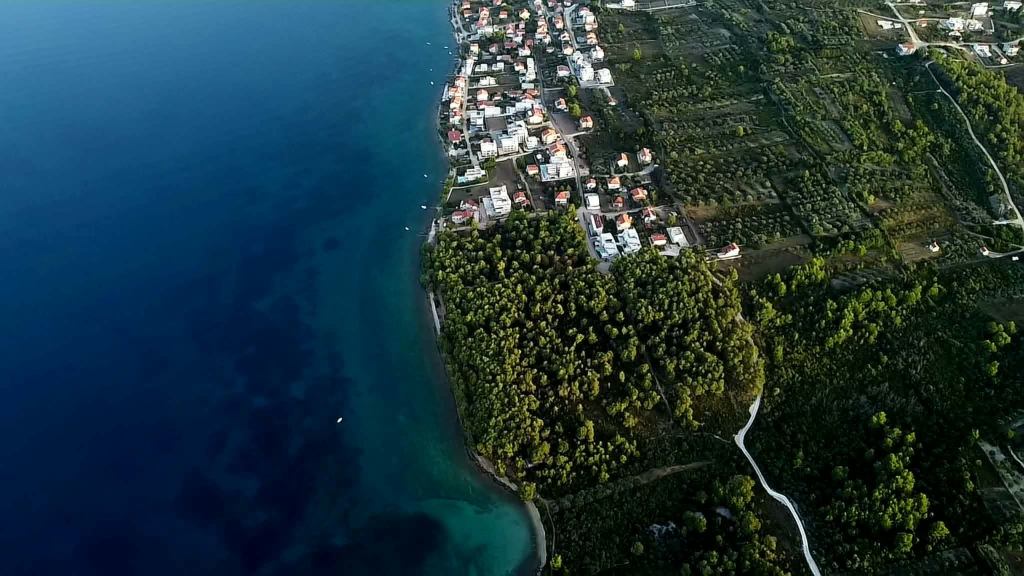
Photo credit: Jurica Predovan
“Cultural heritage is not simply an artefact displayed in a museum or a monument standing on a hill. It is our connection with the people who lived before us, the landscapes they shaped, and the stories that explain how our communities came to exist.”
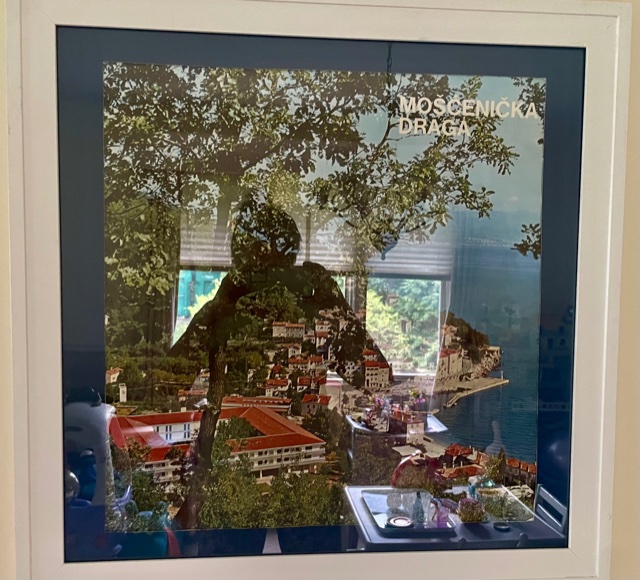
As archaeologists, we often study individual objects, but archaeology is about much more than isolated discoveries. The position of a monument, its relationship to nearby features, the surrounding landscape, and even its orientation can all provide valuable information about the people who created it. Once that context is disturbed or lost, many of the questions we hope to answer become far more difficult—or impossible—to resolve.
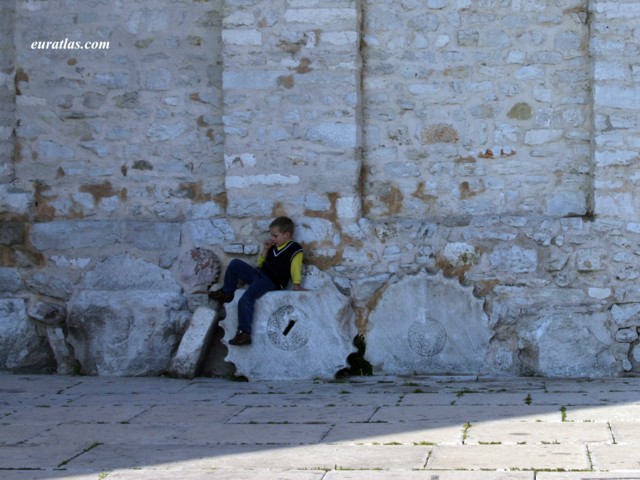
This image reminds me of a story about an idyllic childhood playing in Zadar’s Old Town in the 1960s .
In this sense, heritage can disappear long before the last stone is destroyed. It disappears when archaeological sites remain undocumented. It disappears when local communities no longer know that important places exist. It disappears when monuments lose their original setting and become disconnected from the landscapes that gave them meaning. Eventually, heritage fades not only from the ground but also from collective memory. This is why documentation is just as important as conservation.
Edo Mešić, Archeologist, 8 July 2026 When Heritage Becomes Vulnerable: The Importance of Context in Cultural Heritage Preservation
Tourism is a typical human activity that in the past 30 years generated lots of revenue images, and controversy. I’ve repeatedly read that locals in heavily touristed areas say they would prefer potential tourists just send the money they would spend visiting and instead stay home and watch a travel film! Because so many tourists prefer to appreciate the natural beauty of a place through photography, converting (and limiting?) their experiences to images (souvenir selfies?), this weirdly makes sense.
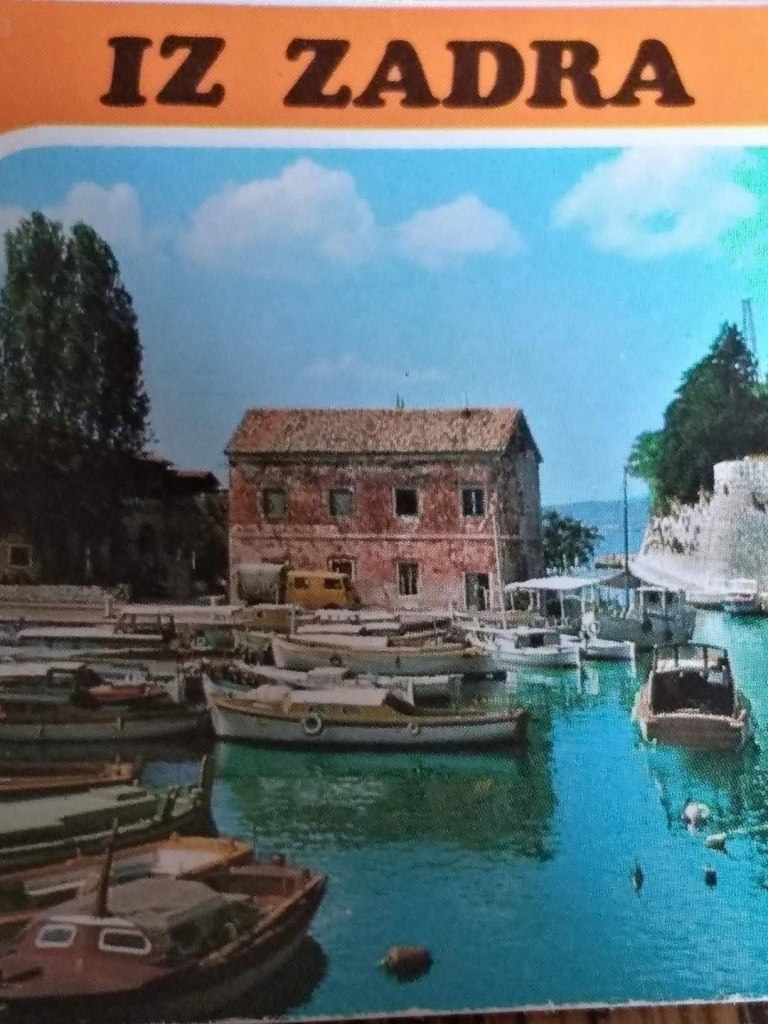
#Zadar #staravrimena, Naš Zadar
Zadar is an ancient city that survived numerous occupations in its 3,000 year history, devastating wars (some WWII historians call it the Dresden of the Adriatic) and, like much of Europe, is now reeling from extreme weather. But photogenic Zadar’s profile is full of surprises, suggesting it’s a model of urban resilience due to the ability of its green spaces to shapeshift while maintaining ‘local distinctiveness.’2 Research by University of Maine professor Greg Zaro in collaboration with University of Zadar professors Joseph Baraka Perica, Ante Blaće and Filipa Jurković Pešić document this superpower in the Nadin Gradina Archaeological Project (NGAP). A paper describing NGAP was published online last month by Cambridge University Press in Antiquity, “Enduring landscapes: documenting green heritage and local distinctiveness in a Mediterranean urban setting.” 3 This research puts a spotlight on how urban development changed land use.
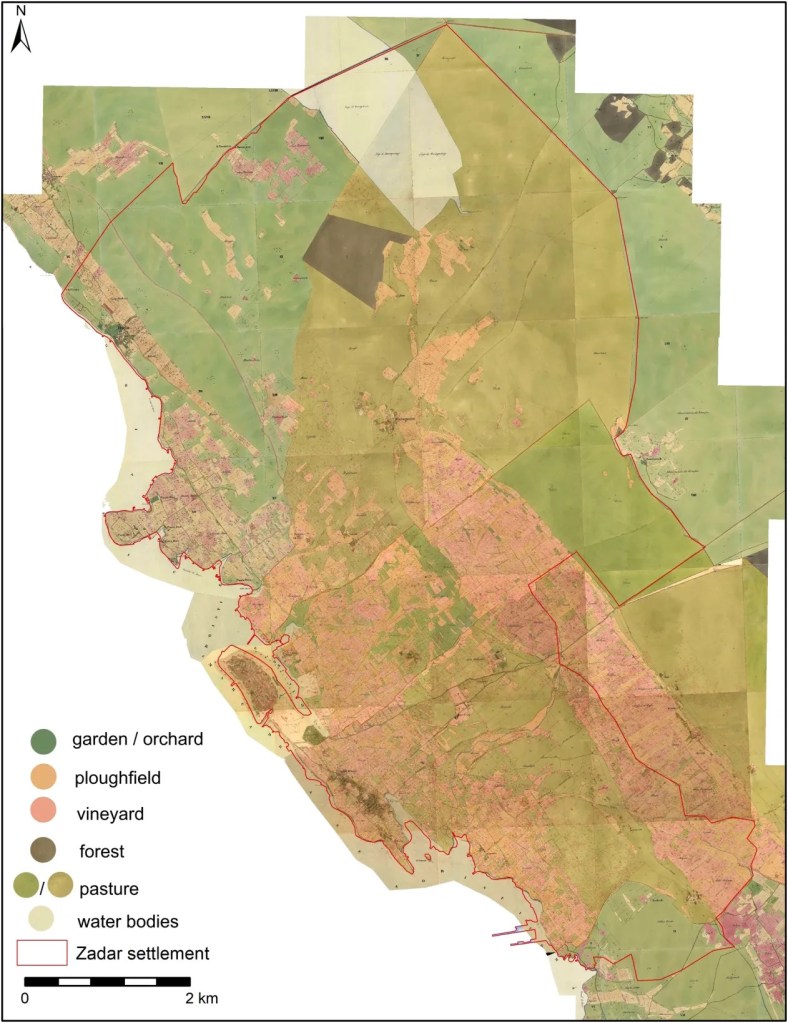
The digitized 1826 Austrian cadastre/map cited in a 2023 article by Zaro, Perica, Blaće and Jurković shows agricultural land use in the area surrounding Zadar (State Geodetic Administration, 2016 ; Arcanum, 2023). As tourism became an economic driver in Croatia, Zadar’s land has been re-purposed again and again. Organized tourism on the Adriatic began in the mid 1800s with health and hygiene getaways made accessible by newly built railroads for those who could afford it–and sometimes by the not so well-off.
Greg Zaro holds positions at the University of Maine as Director of the McGillicuddy Humanities Center and Associate Professor of Anthropology and Climate Change. Reading his research feels like reading about a love affair with Zadar; it’s history, heritage and with concern for the city’s future. An earlier iteration of his research (with colleagues) does not single out tourism as the cause of less desirable changes but examines factors from the past that contribute to how and why Zadar looks and functions in the ways it does now. Zadar’s approximately 70,000 residents are subject to seasonal tourism not unlike coastal towns in Maine–deluged by visitors in the summer/peak season with a sleepy off/late fall and winter season. How can tourism development show respect not by ‘chewing up landscape’ but by protecting hearts and souls of people and places?
Scholarly excavation of Zadar’s land use offers insights into how urban green spaces might mitigate the worst effects of climate change. It remains to be seen how this research will impact tourism, but preserving heritages of local communities, ensuring economic stability and claiming the past are areas where academic and tourism agendas overlap. The Croatian Tourist Board’s longtime tagline, ‘The Mediterranean as it Once Was,’ notably contrasts with a Poreč brochure assertion that ‘paradise is not forever.’ Is Poreč on the Istrian peninsula the capital of Croatian tourism as the Tourism Association of Poreč says, or is it Opatija on Kvarner Bay?
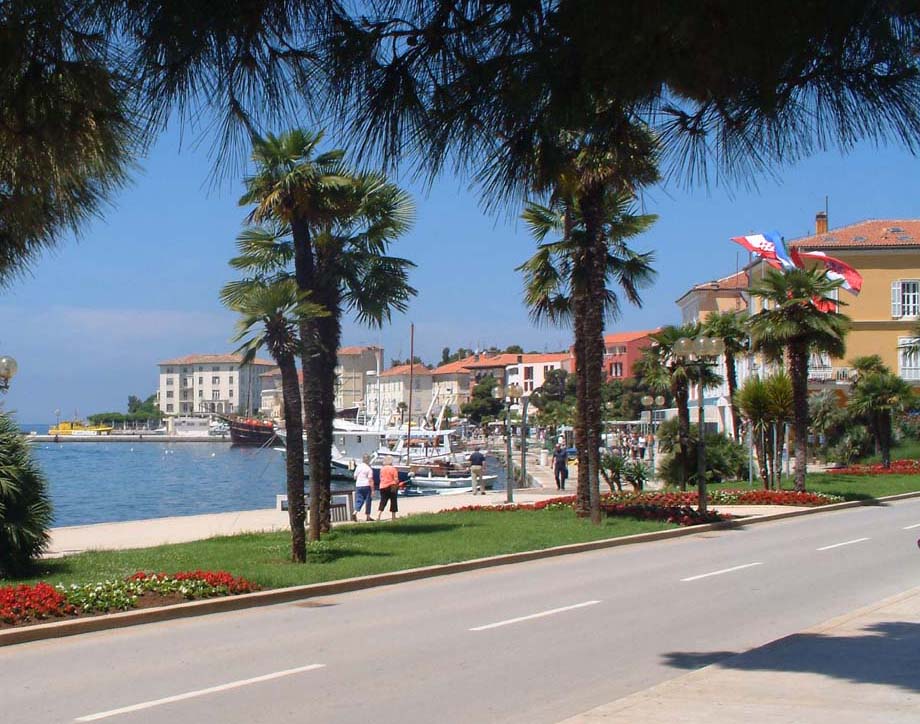
Park Vruljica is considered a natural park with many walking paths, ponds and lots of green spaces. Not as big or famous as Vladimir Nazor Park which is built upon a Renaissance fortress, Vruljica opened Zadar’s first sensory park for children with special needs in 2022. Like Zadar’s Sea Organ (see Listening to place,) Vruljica is an attraction which connects the natural environment to cultural heritage, attracting mixed crowds. My sister Su would have approved, her memories of being a college intern at Disneyworld, and a caregiver for those with special needs colored her entire life.
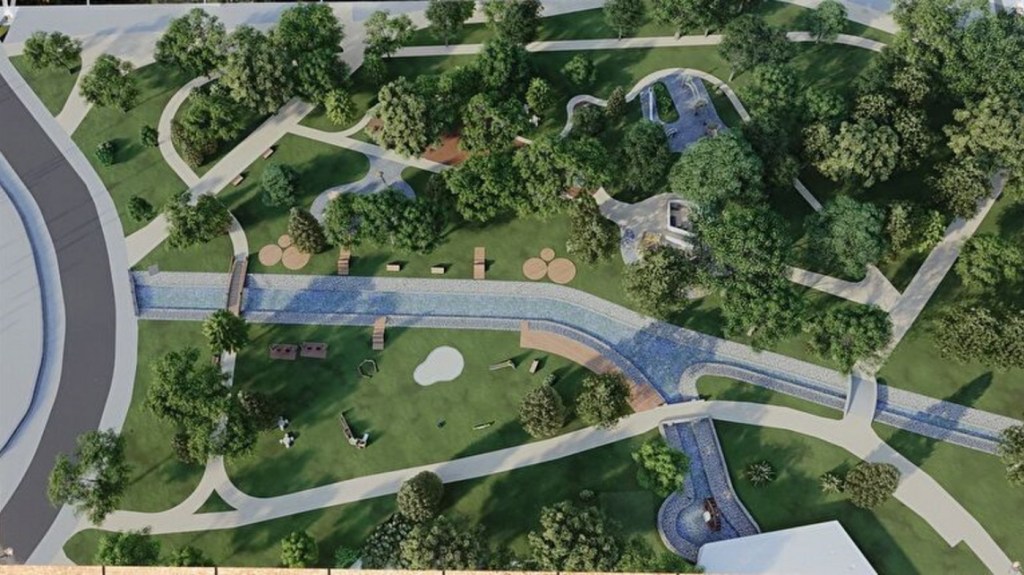
khttps://zadar.travel/news/the-first-zadar-sensory-park-for-children-with-disabilities
Su didn’t like her photo taken but was a terrific photographer. She loved children, dogs, walking barefoot outdoors and being a stara duša herself, had an affinity for the elderly. Su loved baking and treating us to her strudel, cake and cookies as delicious as our Noni’s. She tended to relationships at home and work with tireless devotion, wit and humor. I maintain Su was the most Croatian of our big, loud American-Croatian-Italian family.
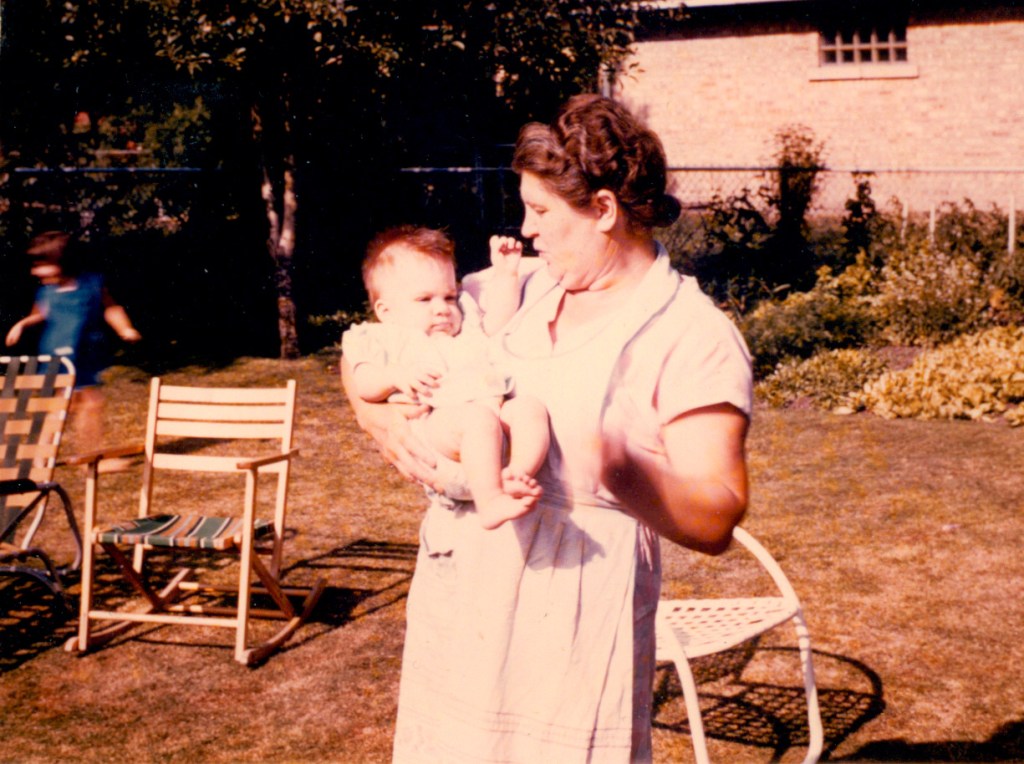
In the background is me running around Noni’s vegetable garden.
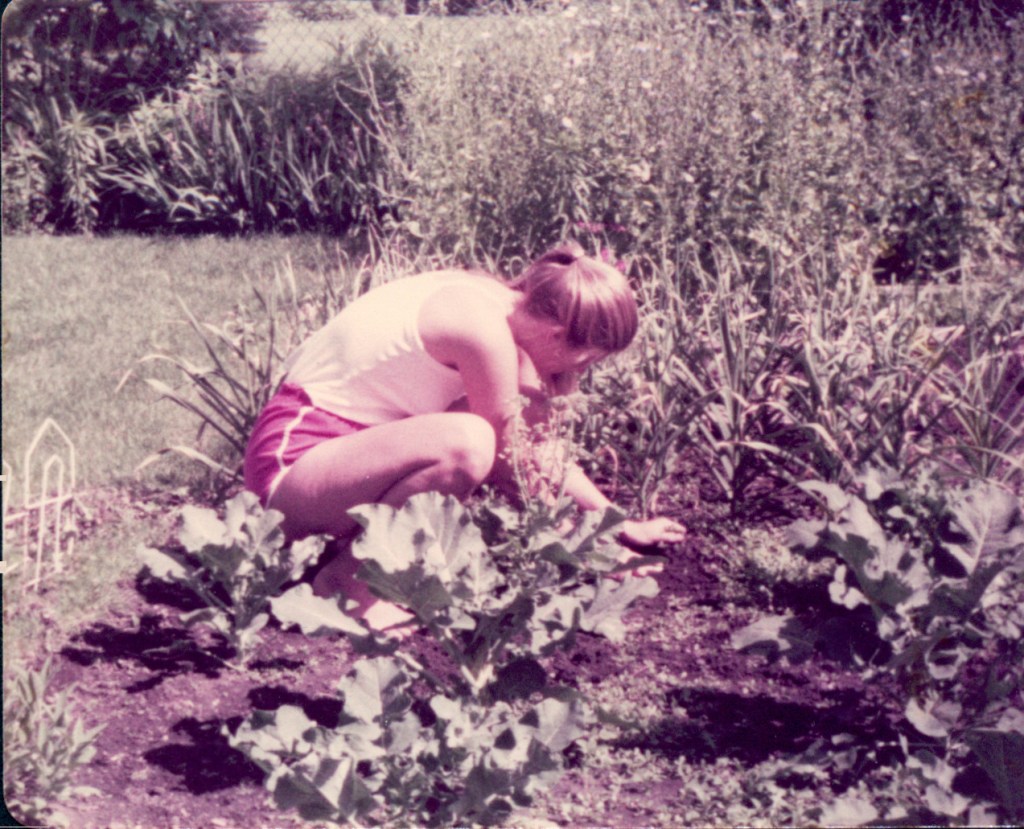
In an ironic twist of fate, Su never visited Croatia in this life, but she whole-heartedly supported my family history research. Beating the odds against illness for many years, Su lived by this reminder which hung in her bedroom.
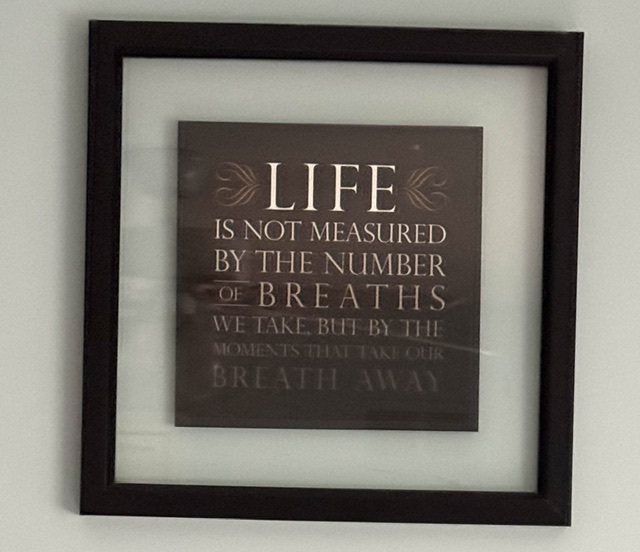
Remember that life is not measured by the number of breaths we take, but by the moments that take our breath away.
Susan Scatena
February 1961-June 2026
- https://ezadar.net.hr/info/3583021/je-li-pao-prvi-konkretan-korak-prema-park-sumi-kozino-pokazat-ce-strucni-obilasci ↩︎
- Zaro G, Blaće A, Baraka Perica J, Čelhar M, Jurković Pešić F and Gusar K (2023) Fleeting fields of Zadar (Croatia): characterizing millennial-scale urban landcover change, green space, and resilience into the twenty first century. Front. Ecol. Evol. 11:1221730. doi: 10.3389/fevo.2023.1221730 ↩︎
- https://www.cambridge.org/core/journals/antiquity/article/enduring-landscapes-documenting-green-heritage-and-local-distinctiveness-in-a-mediterranean-urban-setting/AC01B347A404150A020B0873E713748B ↩︎

