
https://total-croatia-news.com/news/travel/fjaka-forest-hvar/Paul Bradbury for Total Croatia 26 July 2023
Fjaka may be one of the few cultural trends millenials, babyboomer and z generations can agree upon. Fjaka expresses a 21 c. zeitgeist prioritizing well-being and work-life balance that is achieved by taking the time to relax, just be, traveling to places of serene natural beauty and immersing yourself in a natural landscape and/or seascape. Could travel create understanding across generational divides? Interpretations of the concept and term reveal how fjaka helps to make Croatia an attractive destination to travelers seeking peaceful, uplifting experiences. Like spending summer in Dalmatia, where fjaka is thought to originate.
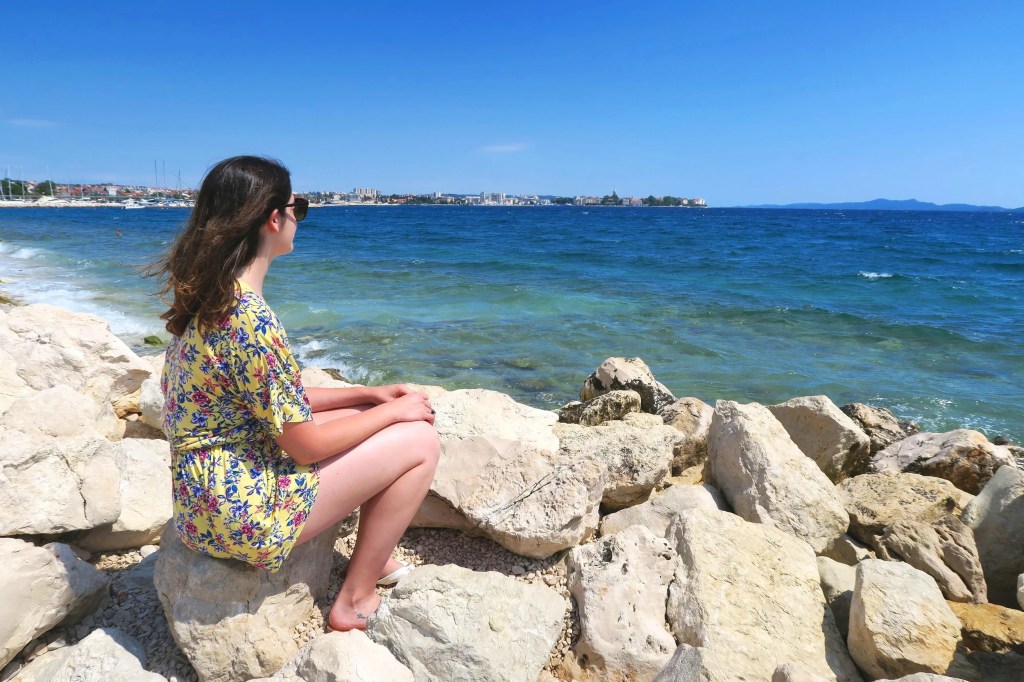
Encyclopedia Britannica has been compiling information written in English by international experts since 1768. This year Encyclopedia Britannica introduced the Croatian term “fjaka” which they define as complete relaxation or the art of doing nothing. https://www.croatiaweek.com/encyclopaedia-britannica-introduces-croatian-term-fjaka/ Fjaka is sometimes confused with laziness, but more aptly it is about having a sense of time where stillness prevails over doing. Like meditation without meditating.
Fjaka: A Croatian Season, by Polish/Swedish/Croatian/Serbian writer and scholar Aleksandra Wojtaszek has not (yet) been translated into English. Since my Croatian is at a pre-school level and I don’t know Polish, I haven’t read it. I discovered her work on Peter Korshak’s podcast Yugoblok, reading some of Dr. Wojtaszek’s articles listed at the end of Yugoblok episode #113 ‘Fjaka YU’. Wojtaszek’s early background as a journalist is evident from her bibliography. According to her interview with Mr. Korshak, Dr. Wojtaszek’s translated work (to English) is ‘crisply descriptive, people focused, and not so much on memory or nostalgia, her eye and heart gives her a soft edge and sharp eye.’

https://www.bbc.com/travel/article/20180118-dalmatias-fjaka-state-of-mind
Kristin Vuković: “I grew to appreciate the sublime state of fjaka” (Credit: Mark-Shenley/Alamy
Fjaka is reminiscent of ‘Pomalo’ or slowly. Unlike the somewhat fatalistic ‘que sera, sera,’ ‘what will be, will be,’ fjaka skews more towards ‘Let it go.’ The ‘it’ meaning worries and other stressful thoughts. Fjaka is not pauza which refers to a short break from working. Fjaka is closely aligned to the Italian dolce far niente which means the sweetness of doing nothing. Like dolce far niente, fjaka is about doing nothing because you choose to—and delighting in this way of being in the world. The Dalmatian coast’s stunning summer heat combined with the rhythm and pulse of the Adriatic creates the perfect circumstances for fjaka to arise. So fjaka is shaped by nature and in turn shapes people’s natures. When ‘on fjaka’ I surmise beta brainwaves produce the simultaneously calm, relaxed and alert state which is the key to fjaka’s restorative benefits.
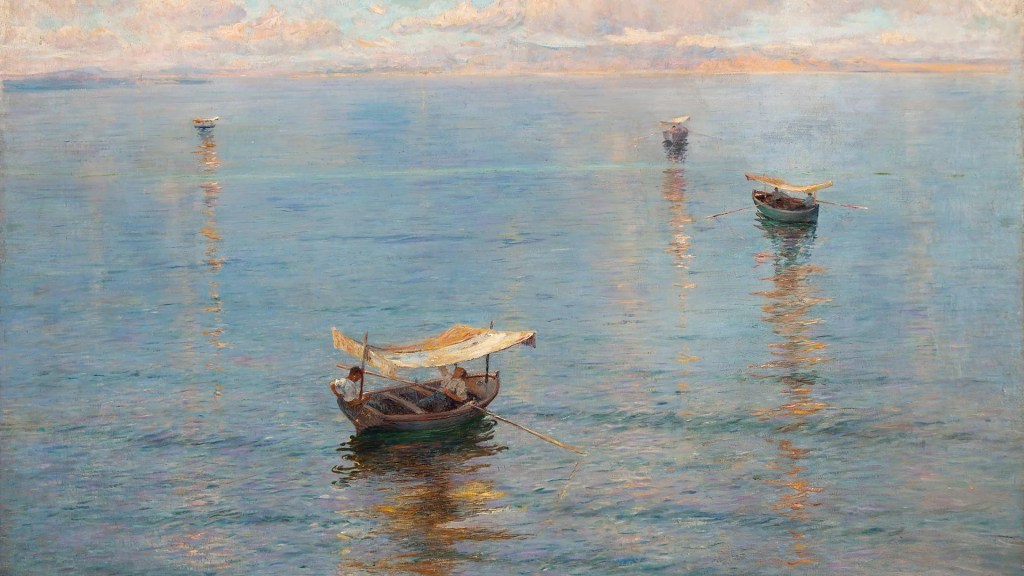
https://www.bbc.com/travel/article/20180118-dalmatias-fjaka-state-of-mind
The Croatian poet Jakša Fiamengo (1946-2018) who wrote lyrics for the fjaka infused songs of Oliver Dragojević, defined it
“…like a faint unconsciousness… a state beyond the self or – if you will – deeply inside the self, a special kind of general immobility, drowsiness and numbness, a weariness and indifference towards all important and ancillary needs, a lethargic stupor and general passivity on the journey to overall nothingness. The sense of time becomes lost, and its very inertness and languor give the impression of a lightweight instant. More precisely: it’s half somewhere and half nowhere, always somehow in between.”

In recent years fjaka has been written about in popular and scholarly articles. This past May National Geographic featured ‘In Search of Fjaka: The Croatian Art of Doing Nothing.’ https://www.nationalgeographic.com/travel/article/what-is-fjaka-the-croatian-art-of-doing-nothing For many years award-winning journalist and author of The Cheesemaker’s Daughter, 1 Kristin Vuković, https://muckrack.com/kristin-vukovic/articles has been writing about her native Croatia and its relationship to fjaka.
Because fjaka can only be experienced in its natural environment you must travel to Croatia’s coast or islands. And that’s where cultural institutions and the tourist industry come into the picture. The Museum of Fjaka located in Split opened this past July to celebrate and study fjaka as part of Croatia’s intangible cultural heritage https://muzejfjake.hr/ Fjaka Tours https://fjakatours.com headquartered in Split crafts niche tours including something called ‘Mastering Dalmatian Fjaka.’
Maybe because I was born in the summer and have fond memories of my maternal Croatian grandparents I feel connected to their part of the world. Those connections real and imagined, make me think I can research, write coherently and maybe glean insights which might be interesting to people other than an immediate circle of family. Full disclosure: I have never visited a Croatia’s coast or islands in the summer where people are routinely ‘on fjaka,’ but I believe the timelessness of island time aka fjaka holds a key to happiness.2
Dalmatian towns where fjaka was born; Zadar, Sibenik, Split and especially Dubrovnik, the ‘Pearl of the Adriatic’ are being challenged by hordes of tourists on an anti-fjaka experiences racing from historic site to beach to restaurant. Locals are intent on preserving fjaka-drenched places such as Dubrovnik from the impacts of overtourism as author and journalist Vuk Tesija outlines for Balkan Insight. https://balkaninsight.com/2023/10/03/croatias-dubrovnik-bans-building-of-holiday-apartments-to-curb-tourism/ Growth for tourist-based economies usually translates into income generated by overnight visits. But tourism development founded on this indicator is often unsustainable. So re-interpreting what health growth looks like combined with current travel trends emphasizing personal connections to place may go a long way to redefining what tourism is, what it does, and what it can be.
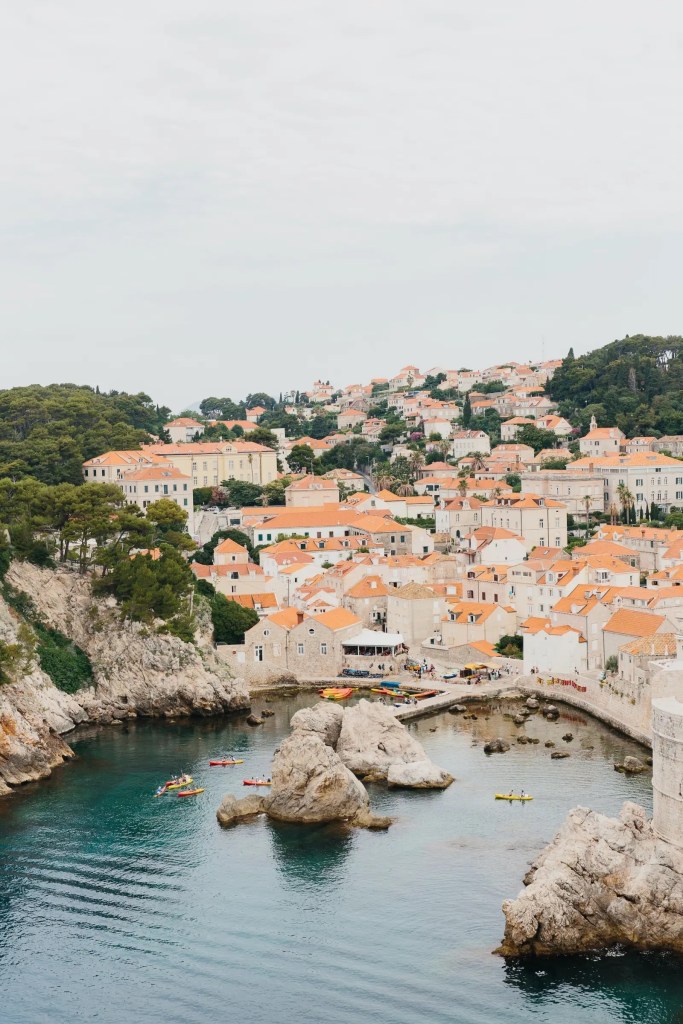
Photo by Kevin Faingnaert
https://www.afar.com/magazine/unlocking-croatias-secret-to-slow-living
A Croatian design company FJAKKA, https://www.spacetime.company/fjakka is based Split. Since 2012 industrial designers Kristina Lugonja and Filip Havranek create spaces, furniture and appointments with a minimalist vibe that echo the serenity of fjaka–being so in the present moment that everything extra falls away.
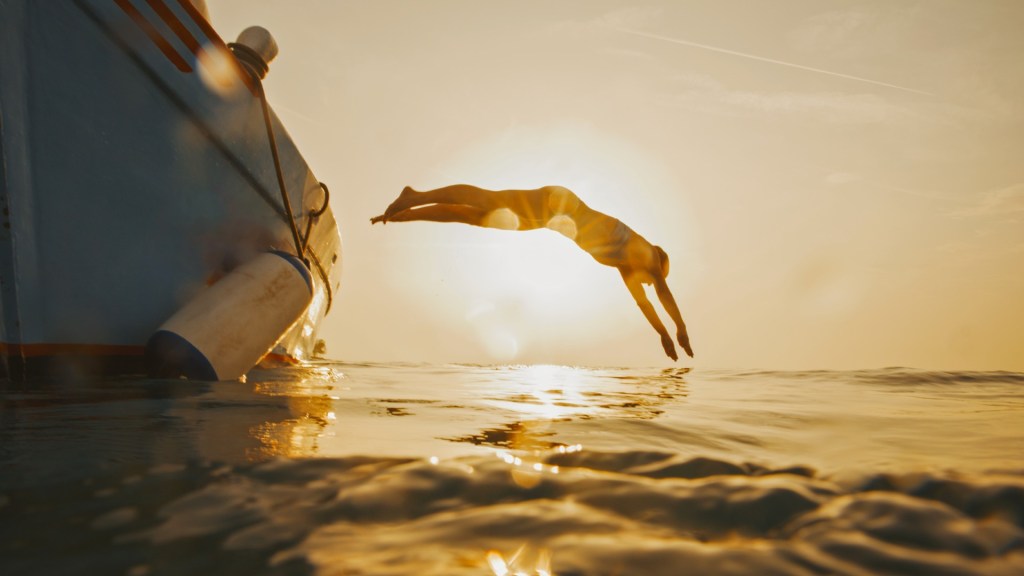
https://unforgettablecroatia.com/blog/the-sweetness-of-doing-nothing-how-to-embrace-fjaka
Marina Rogoznica is Product Manager and Cruise Director at Unforgettable Croatia https://unforgettablecroatia.com/about-us, a luxury travel agency that specializes in custom, immersive experiences. She describes her uncle as:“He is the poster child of fjaka, sitting on his porch, staring at the sea, drinking his own wine and saying: there is nothing in the world better than this.”
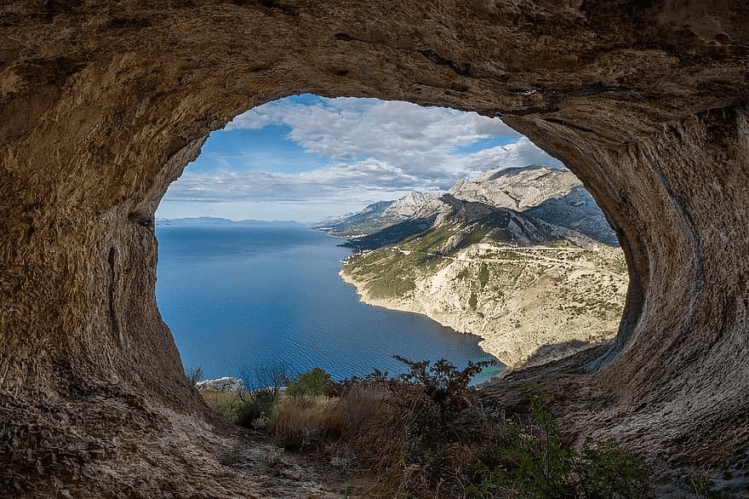
“Every time I come to Croatia, something shifts. It’s not just the scenery that impacts me – though the beautiful sea, cobblestone streets, and endless summer sunshine certainly helps…Maybe this is what travel is meant to do – not just show us new landscapes, but hold up a mirror to our lives. To gently wake us up to what we’ve forgotten.” Frances Vidakovic, Croatia Week 14 July 2025 https://www.croatiaweek.com/questions-croatia-has-me-asking/
Notes
- For a review of The Cheesemaker’s Daughter outlines the story’s context on the island of Pag https://chick-who-reads-everything.com/2024/08/05/the-cheesemakers-daughter-book-review/ ↩︎
- Tomislav Oroz. Pomalo and Fjaka as the Island State of Mind. Cultural Anatomy of Time(lessness) on the Dalmatian Islands of Hvar and Dugi Otok. CIST2020 – Population, temps, territoires, Collège international des sciences territoriales (CIST), Nov 2020, Paris-Aubervilliers, France. pp.43-47. hal- 03114132 ↩︎
 From the same tree