Every act of perception, is to some degree an act of creation, and every act of memory is to some degree an act of imagination.
Oliver Sacks, Musicophilia: La musique, le cerveau et nous/Tales of Music and the Brain
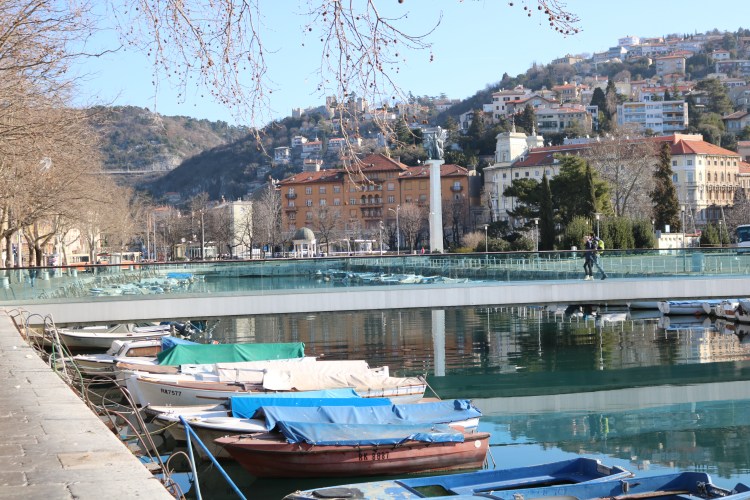
February 2019
When I began this blog in 2019 I had ideas about the purposes and impacts of tourism, and was naively motivated to ‘get family history straight.’ As added value I would see if fifty year old memories of traveling to Europe would hold up under scrutiny. But most of all I wanted to understand what I missed out on by not visiting what was then Yugoslavia in 1976. Through research and writing this blog I learned a lot about places that only lived in my imagination. Those memories of past travel, like most memories, proved slippery.
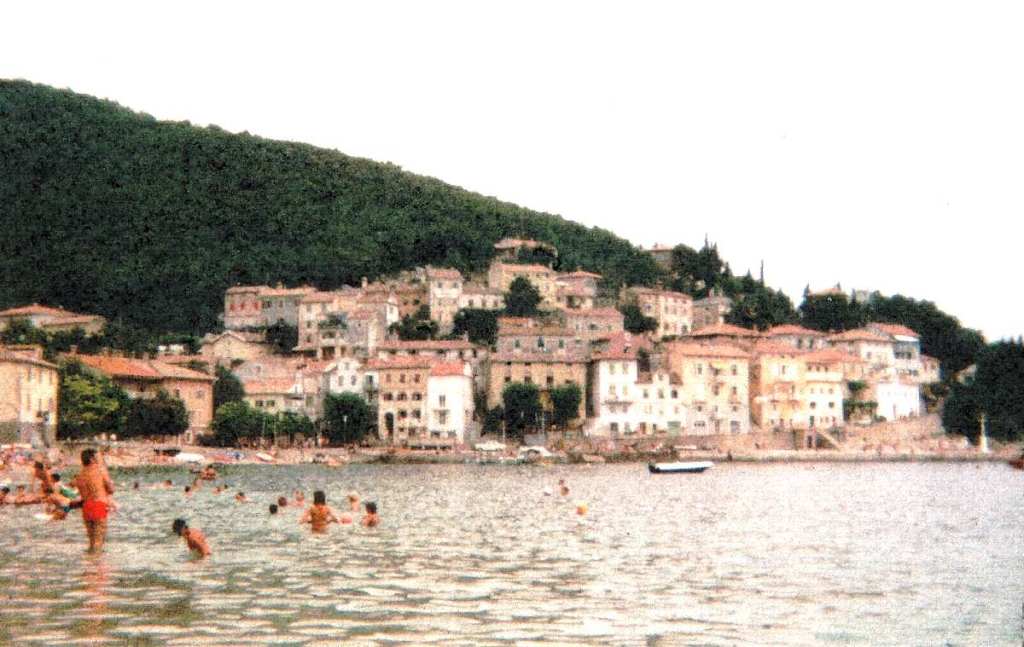
Photo: Wilhelm Rothe
In the mid 1970s I thought that visiting the ‘old country’ as my American-Italian father called it, would catapult me into some new way of living. Wrong. The high school friend I was traveling with had negative zero interest in going to Italy, so Yugoslavia was completely out of the question. Most of that summer trip was spent touring France, staying in London briefly because we had access to a free flat, and meeting with other high school friends on the steps of the Paris Opera House which felt miraculous in the days before cell phones and the internet. I thought this trip would be the first of many, but Croatia remained an elusive destination for thirty years. When everyday life got tiresome, I sometimes wondered what might have happened if I have traveled there then.
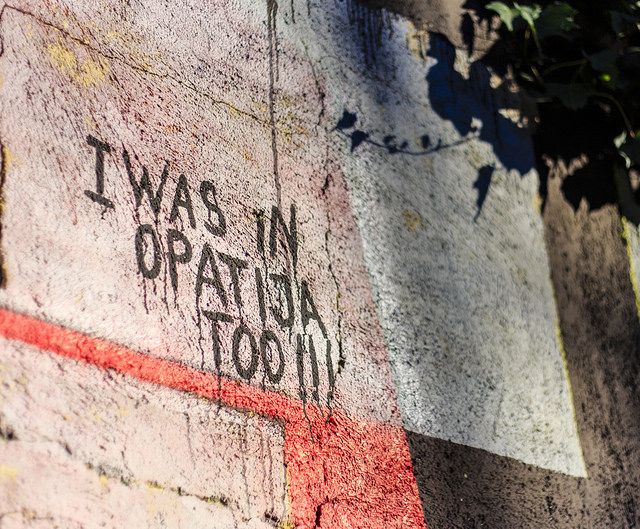
Photo: Bernhard Wintersperger on Flicker
In spite of a university degree in Modern European history and over a decade working at a historical museum, it took me a long time to become aware of how underlying myths about the place my grandparents called home informed my understanding of what they knew as Yugoslavia. My initial visit to Croatia felt both weirdly familiar and a completely new. But from this visit I began to sense what this part of the world meant to my grandparents and Croatian-American relatives. But not likely how my Croatian ancestors perceived it.
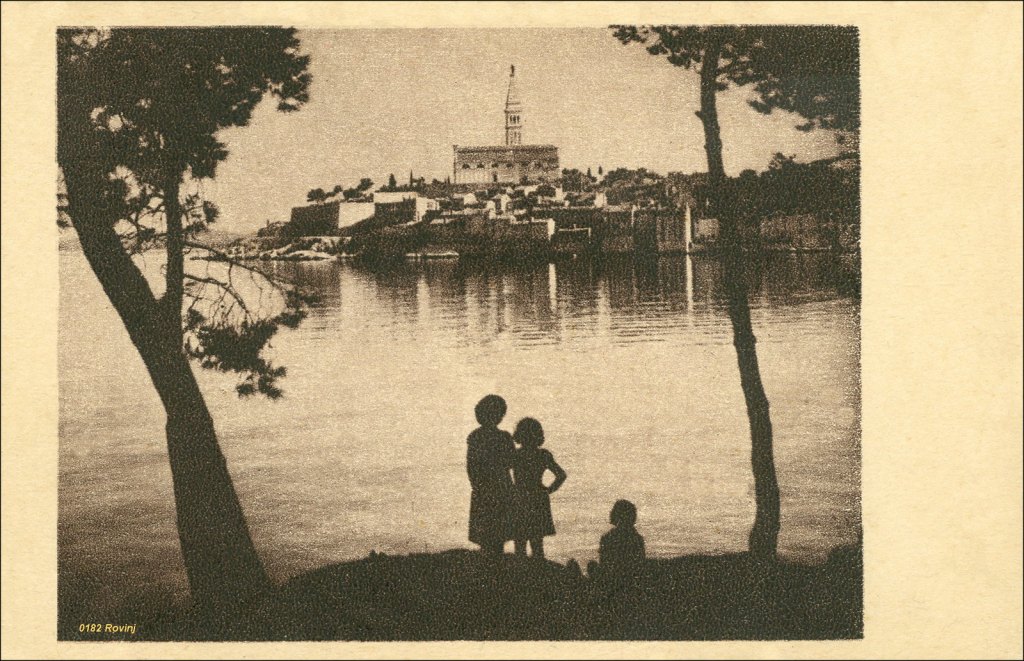
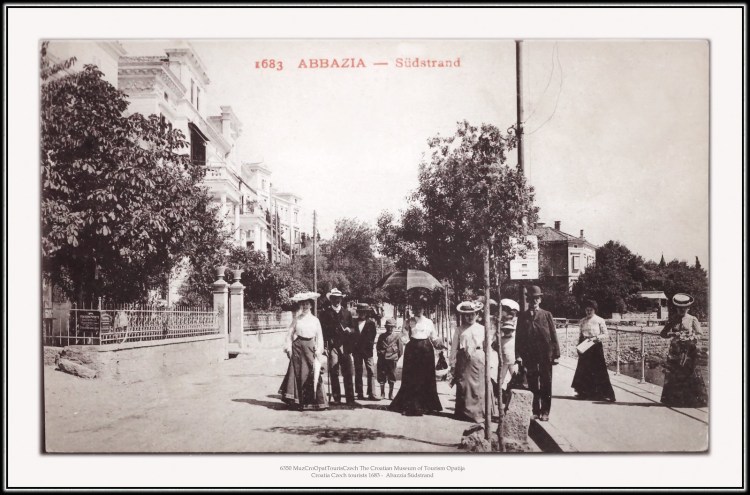
By most people’s standards the Croatia is a place of eye-popping beauty. 250 days of sunshine a year and a microclimate where the coasts are shielded by mountain ranges make it an idyllic tourism destination. A tradition of health tourism flourished in Opatija (then Abbazia) by the mid 19c. Humid air created by the wind (actually four winds; bura, jugo, tramonata, maestral) contacting the sea is saturated with particles of sea salt and oils from aromatic plants–lavender, sage, rosemary, holm oak and maritime pine. This air is said to be a tonic for the lungs and overall health. But for my grandparents and great-grandparents this place was not about diversion, health and leisure. It was home, but a home where making a living, especially in the wakes of world wars, was difficult.
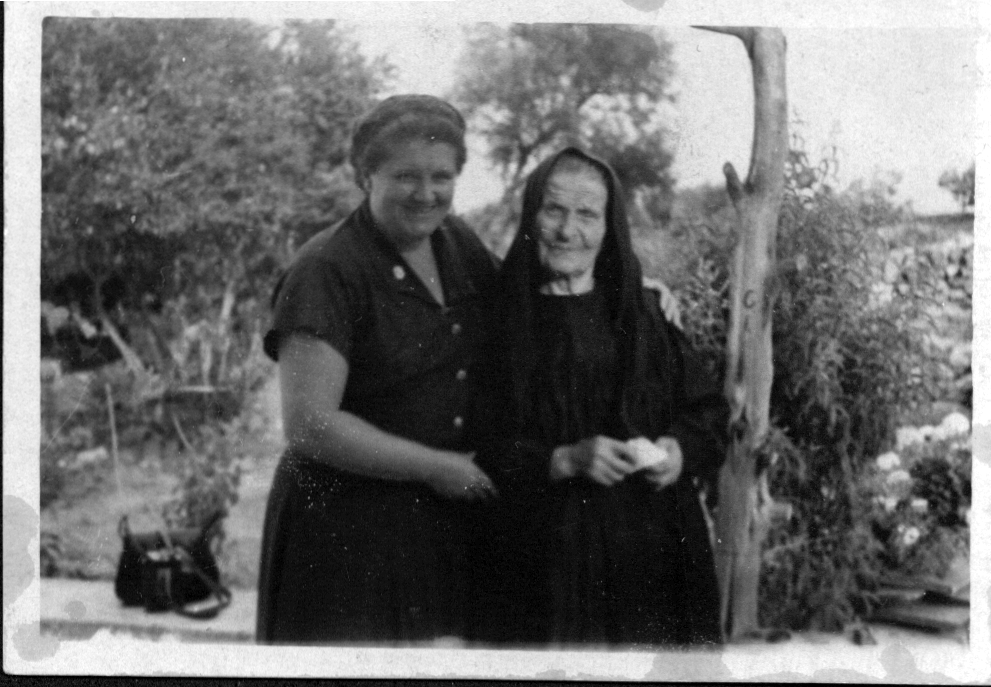
Marica Kasić Ivanić lived in Poljane, halfway up Ućka and a ten minute drive down to The Museum of Tourism in Opatija, which opened in 2007.
My first visit to my grandparent’s home was as a tourist hoping to discover a little more about how family heritage shaped my own identity. I suspect this reason is shared by many travelers visiting unknown, ancestral homes and is why they are reluctant to call themselves tourists. But curiosity about why tourism put Croatia’s Adriatic coast on the map 150 years before I showed up propels my research. So the following definitions are cobbled together from UNTWO (now UN Tourism), WWF(World Wildlife Fund), The Journal of Sustainable Tourism and other academic and commercial sources.
— tourism is a business that sells what it doesn’t own; scenic views, cultural traditions, a vibe
— tourism rejuvenates
–tourism educates
—tourism creates meaningful experiences
–tourism accelerates ecosystem collapse
—tourism brings people together to bridge differences
–tourism flattens local culture to accommodate global markets
—tourism’s real purpose is to make memories
–tourism creates opportunities that can lift people out of poverty
—tourism exploits people, cultures and nature
–tourism promotes and improves local economies
–tourism and travel are not the same?
In recent years, especially post-covid, tourism studies center on ‘over-tourism,’ a term coined to describe the negative impacts of mass tourism on local environments. Over-tourism implies a need for visitors to consider their impact on built and natural environments. Does over-tourism apply to all visitors? Religious pilgrims, performing athletes, and volunteers doing service work are not usually called tourists, neither are people attending work-related conferences or remote workers.

https://www.adriagate.com/blog/en/tips-ideas/digital-nomads-croatia-ideal-destination
Sustainability applied to tourism has been cited as an antidote to over-tourism well before over-tourism became a catch word. Zoran Pejović, an expert whose thoughtful analyses about sustainable tourism blurs the difference between travel and tourism, makes a philosophical argument that responsibility is at the heart of sustainability.

Photo: Erilyn Wedd for Medium Globetrotters
Croatia is a small country that ticks off similar tourist destination attributes to New Zealand—stunningly beautiful land and sea scapes which helped to create tourist booms precipitated by popular culture media phenomena, Game of Thrones (2011-2019) and Lord of the Rings (2001-2003). These booms may have contributed to stronger ties between the two countries. According to New Zealand’s 2023 census there are over 3,500 Croatian nationals and over 100,000 people of Croatian ancestry living there. In the past 10-15 years 10,000 younger, educated Croatian diaspora have immigrated there. Typically economic opportunities drive immigration, but I wonder what role New Zealand’s commitment to protecting their ecosystems and cultures play in attracting Croatians.
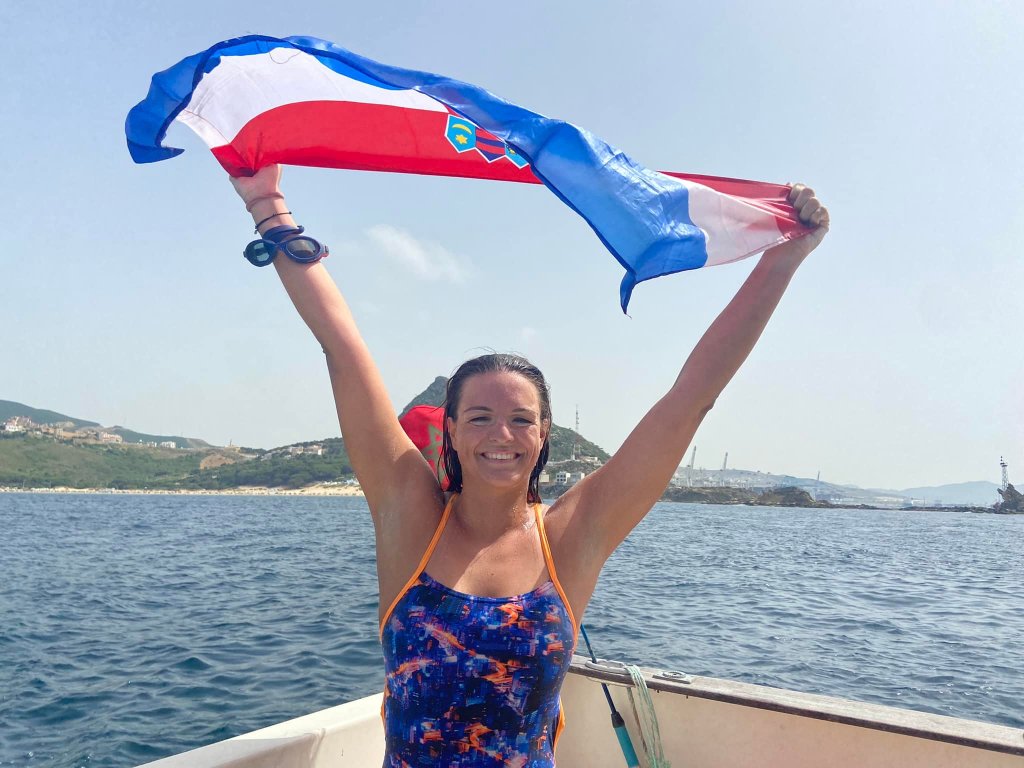
Photo: Dina Levačić/Facebook
In 2018 New Zealand launched its Tiaki Promise. This is a set of guiding principles visitors are asked to follow; to tread lightly, show care and consideration for all, to preserve New Zealand now and for future generations. Imagine the memories a promise like that can make.
 From the same tree