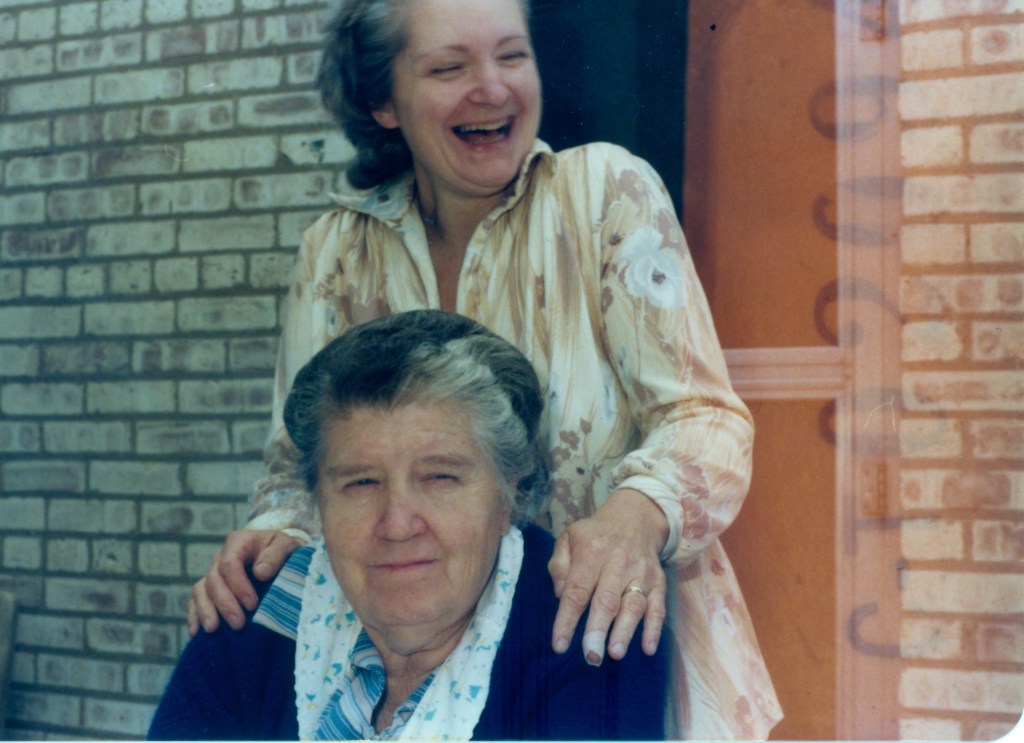
Grandmothers are important for so many reasons. Their place in our memories is steeped in family dynamics and the stories we tell about our childhoods. They are anchors to the past. People lucky enough to have a Croatian or Croatian-American grandma often say their baka or Nonna was the best cook in the world, but our Noni really was. She was born Mariča Ivanić in 1908 in a place called Poljane, a village of 534 residents perched above Kvarner Bay. In travel guides Poljane is sometimes referred to as a suburb of Opatija. Noni lived there with her parents, her brother Andrea and sister Dika. She must have learned how to cook when she was young. I’m guessing her talent was a combination of nature and nurture. I recall my mother telling me how her grandma (also named Mariča) smoked meats inside her small stone house causing the interior walls to be blackened with smoke. I also recall hearing that although Noni’s mother was quite poor, she always shared food with her neighbors and they with her. For some Croatians small, tightly knit communities helped people survive during the turbulent 20c.
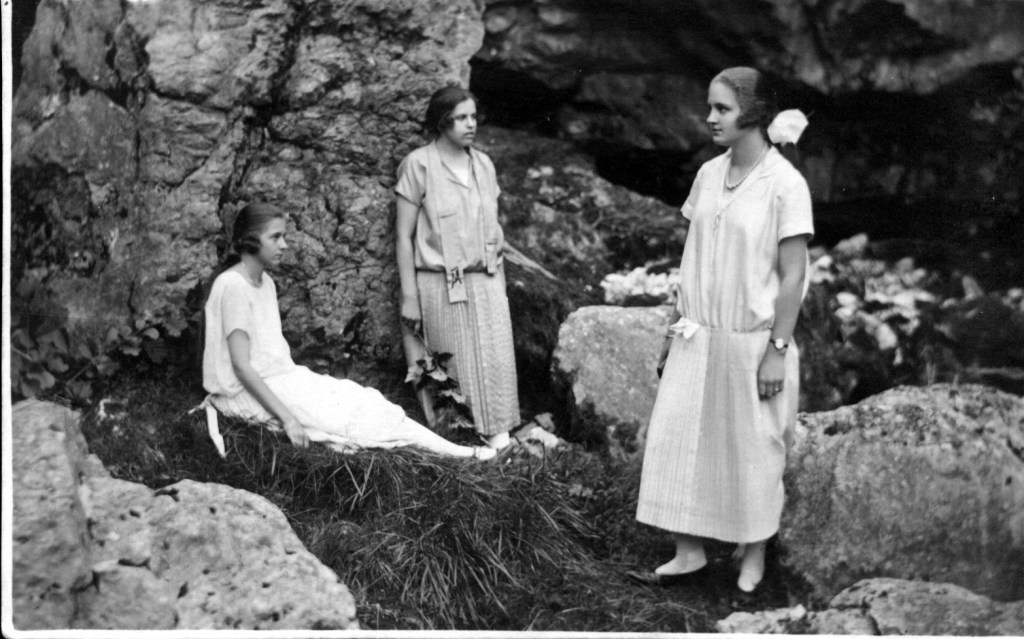
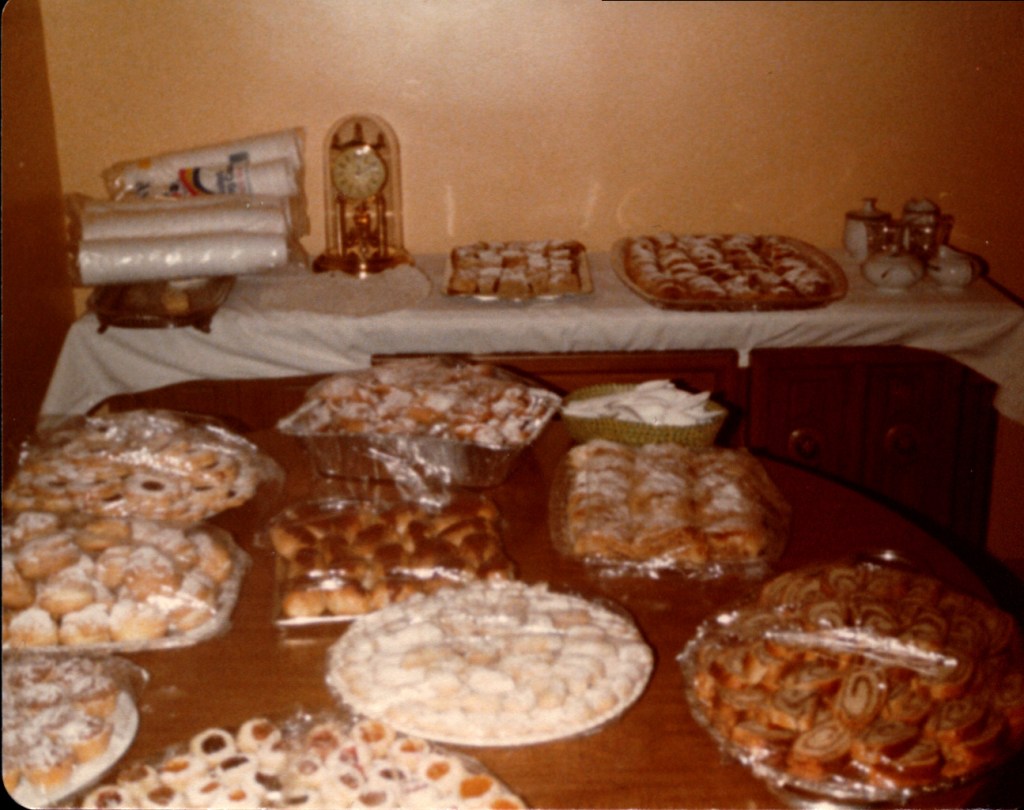
On Noni’s everyday table potatoes, polenta, sauerkraut, turnips, and sausage were staples. Even though she grew up near the sea, middle European cuisine showed up in Noni’s cooking alongside Italian(naturally), and some Greek and Turkish influenced dishes. Spectacular feasts, especially for Christmas and St. Anthony’s Day (17 January, our Papa, Anton’s namesake day and the first day of karneval) were miraculously cranked out in her small kitchen. For us Noni’s kitchen was an Aladdin’s lamp. Instead of rubbing the lamp, all you had to do was to say that you had a taste for…palačinka (with her winey Italian plum jam), bread (with whipped butter), sarma (with cabbage fermenting in her basement konobiča), gnocchi (sliva with cinnamon or savory with a cacciatore type sauce)…but first soup.

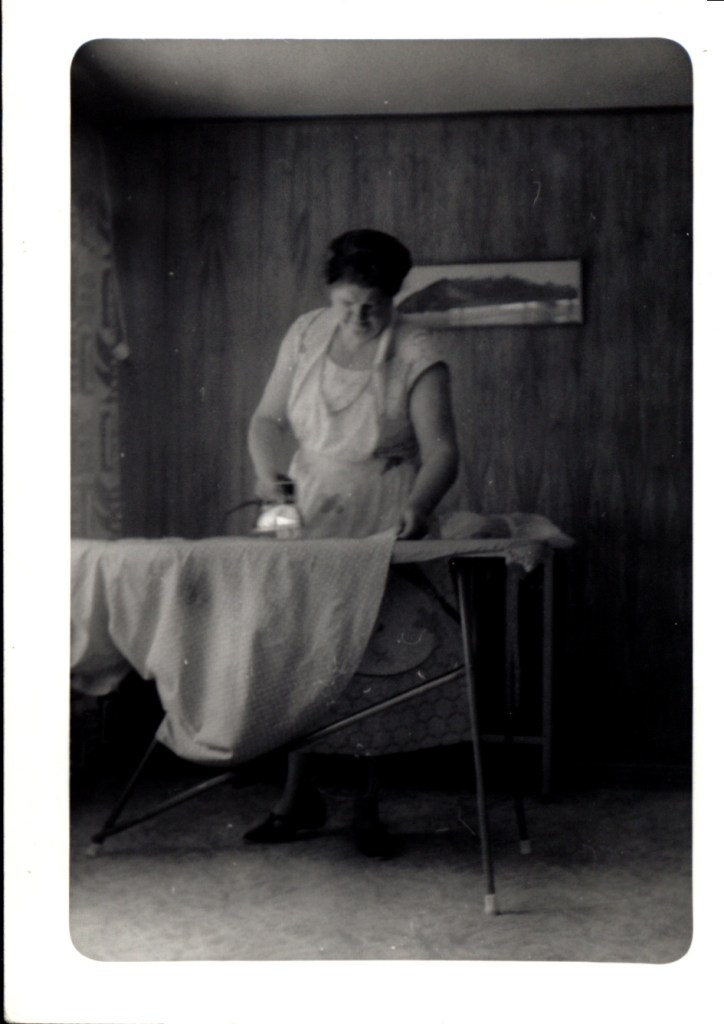
Her beef soup (goveđa juha) was eaten at lunch even on the hottest summer day. If we were lucky there would be thin, handcut homemade noodles in clear broth which Noni would pour back and forth in bowls to cool so we wouldn’t burn our tender little mouths. Her kitchen typically smelled enticing except maybe when she cooked bakalar. Noni painted her kitchen walls a buttery yellow, reminiscent of Easter bread we called pogača (to some Croatians, pinca) slathered with butter, of course. The rhythm of her life was different from ours. Monday was for washing, Tuesday for ironing, Wednesday for gardening, Thursday and Friday for shopping and housework, and everyday for cooking. We were busy, but Noni got things done.

Noni could speak, read and write in four languages. During her life in the former Austria-Hungary, Kingdom of the Slovenes, Croats, and Serbs, Kingdom of Yugoslavia and sometimes Italy, changes in government dictated that Noni learn Italian and German in elementary and high school, depending on who was in charge. Croatian (Istarska dialect) was spoken at home. Noni learned English mostly from going to the movies with her daughter Mary. During the late 1930’s and 1940s Noni and Mary were regulars at the Southtown theater, Chicago’s last Balaban and Katz movie palace, in the Englewood neighborhood where they lived until the early 1950s. They would walk a few blocks from their home to see whatever was playing (double features) after Papa had his dinner and was working at his second job which he turned into successful tool and die business. I was shocked to learn that Noni’s English was heavily accented when I proudly introduced her to a friend who asked me how I could understand her. I was fourteen.

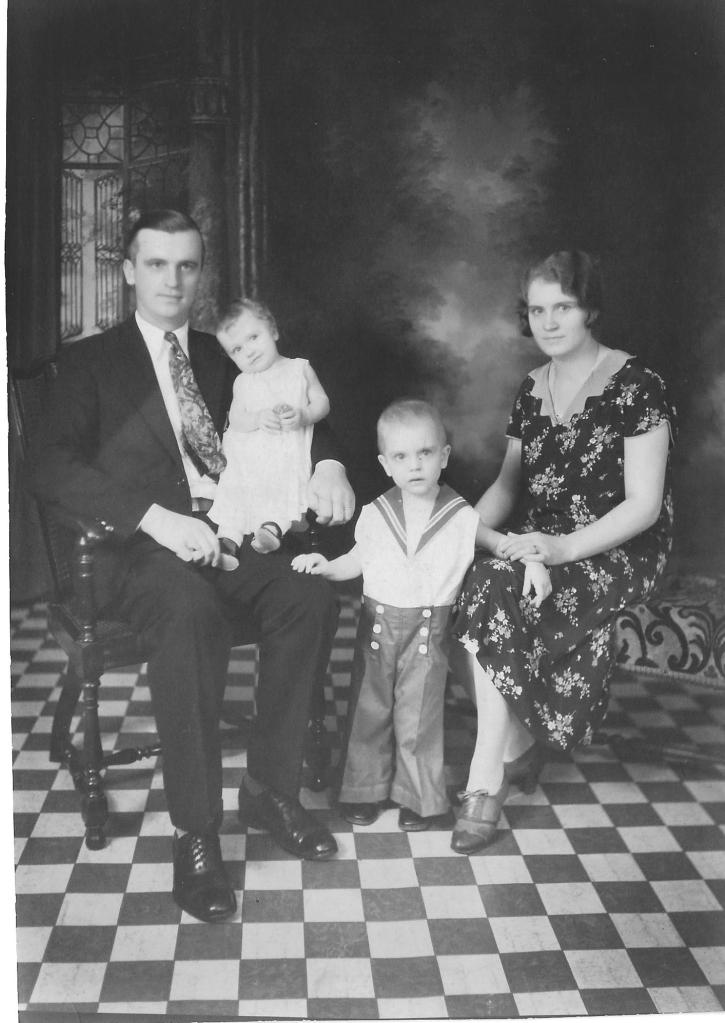

Noni’s cooking and language expertise was matched by her skill as a seamstress. As a child she learned to sew to help clothe and support her family. Before the age of mass produced clothing Noni sewed for well-off Croatian ladies. She became adept at beading and embroidering gowns. Those skills traveled with her when, in 1929 a pregnant Marcia Ivanić Martinčić traveled alone by ship across the Atlantic to meet her husband who established himself in the US years earlier. Noni embroidered relentlessly, sometimes in the evenings by herself, and sometimes with her Croatian lady friends, yet I never saw her wear traditional Croatian dress. She could and did sew just about anything from shirts and coats, to slipcovers for furniture and drapery, to clothing for me and my sister Lisa. We pranced around in appliquéd matching smocks and skirts.
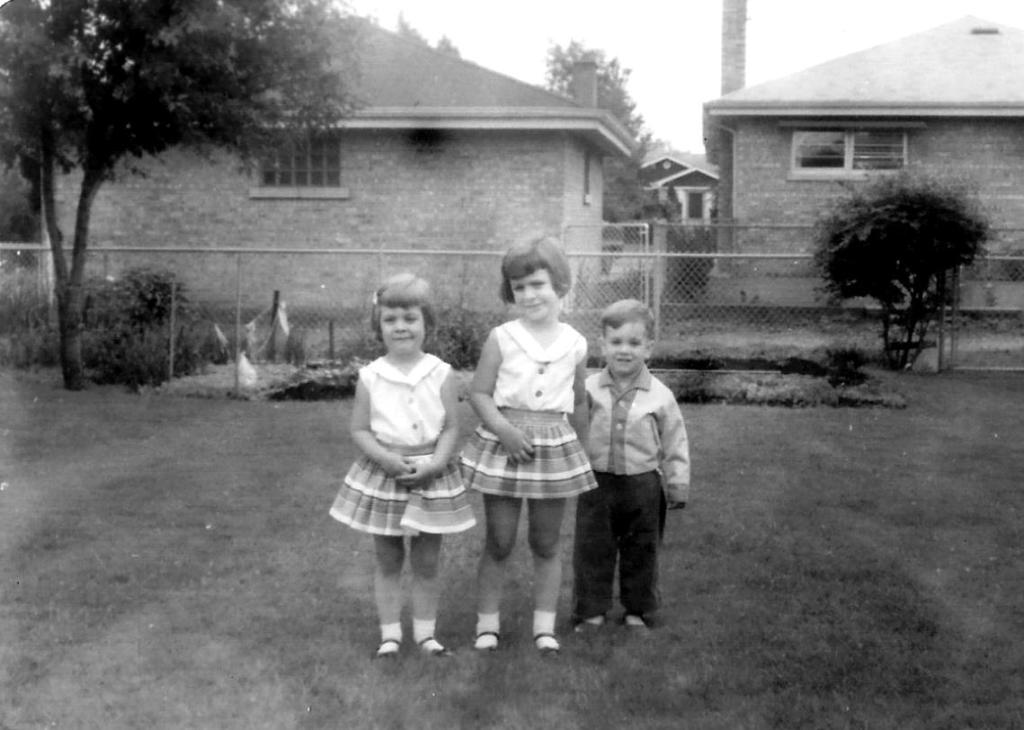
Noni cared a lot about her garden. We all did. It was a peaceful, manicured place where flowers, vegetables and fruit trees flourished. ‘Snowball’ bushes, daisies and oleander framed the backyard while cascading roses claimed the front porch. Baby lettuces and flat Italian beans in June, sweet, juicy tomatoes in July and August, and apples in September. The fruit from our Papa’s cherry was too tart to eat but everything else in the garden was harvested or preserved. Noni’s apple strudel (sometimes with golden raisins and pine nuts) was a masterpiece of flaky deliciousness. She turned out large spreads for special parties.
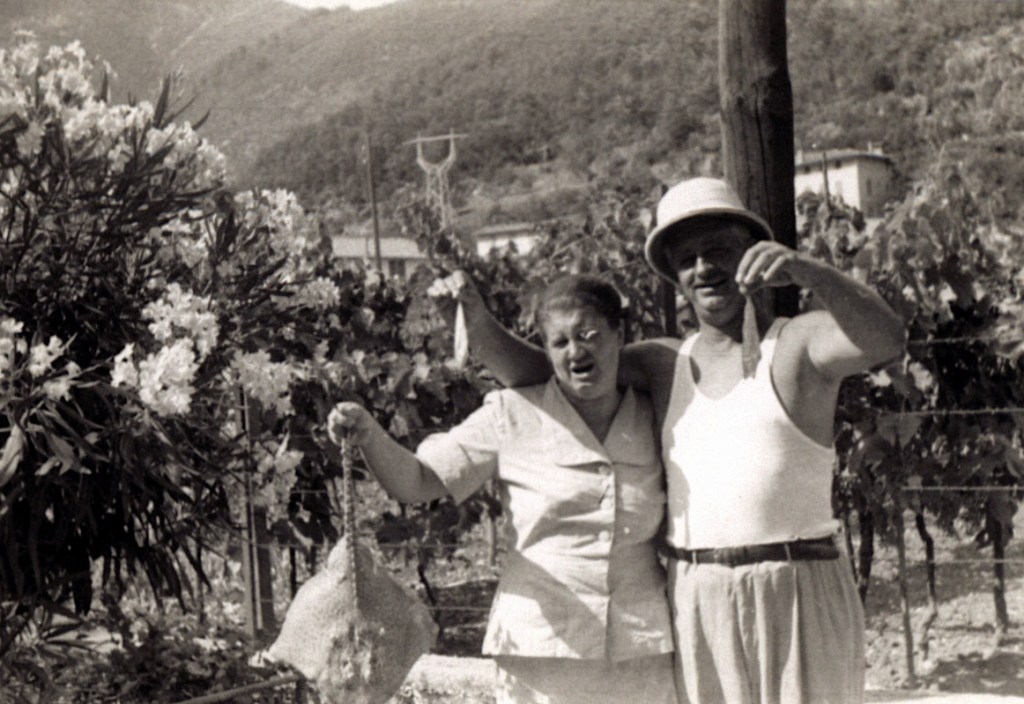
Noni did not smile all that often. Her way was to work tirelessly with skill and accuracy. In her younger days she made cooking, embroidering, sewing and writing letters to friends and relatives in three languages seem like effortless tasks. She was kind of a super woman to me, but because of her reticent nature she was also a bit of a mystery. I’m not sure why this was so. Maybe expressing herself in English was challenging. When she tried to subdue our ebullient Papa from swearing in front of us (in Croatian which we did not understand) as he read his copy of Matica, we knew that outside of their cozy haven another place claimed their affection.


Although Noni attended Mass regularly, I felt she took Roman Catholicism with a grain of salt. But prayer was non-negotiable. If Noni was at our house at bedtime she would tuck us in by blessing us with the sign of the cross, ‘U ime oca i sina i svetoga duḫa. Amen.’ It made me feel protected, safe and loved. Keeping family close was a big part of Noni’s purpose. It is a particularly lovely aspect of Croatian culture that I am grateful for. Noni lived most of her life far from her beautiful, often beleaguered homeland. She died in 1982, nine years before Croatia’s independence. Because of her we could feel, hear and taste a time and place she cared about and missed. Noni remains a constant, reassuring presence in my life. Her frequent response to complaints, cynical observations or distressing situations was, ‘You’ll be fine, everything will be fine.’
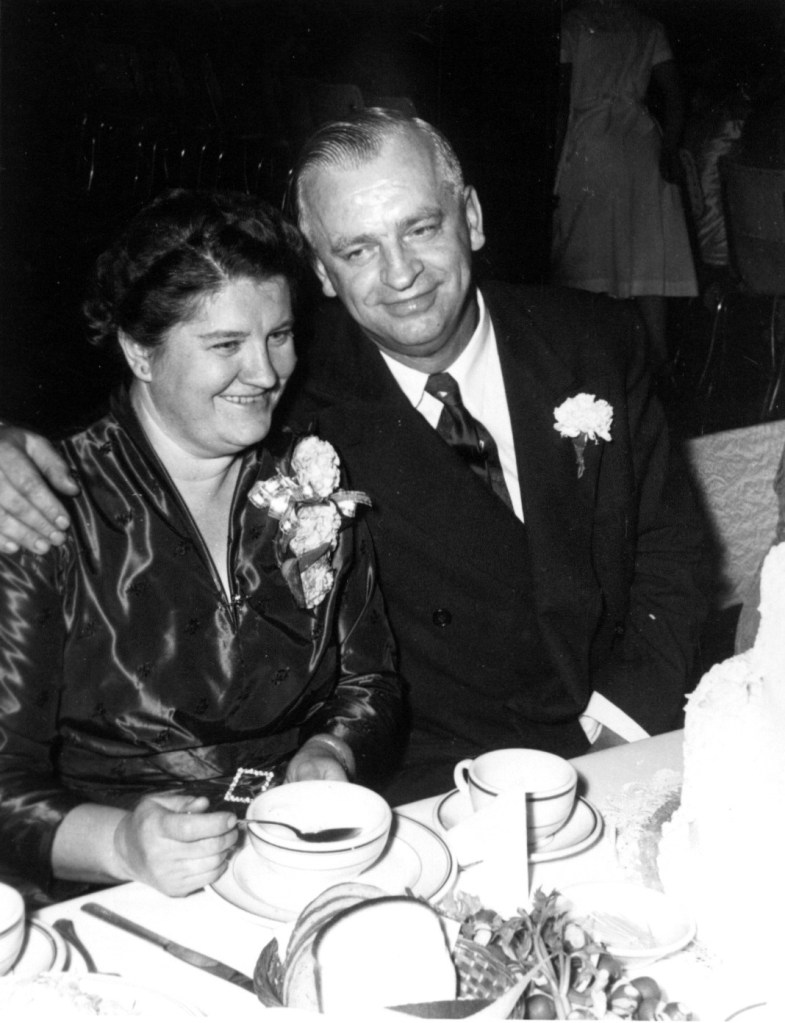
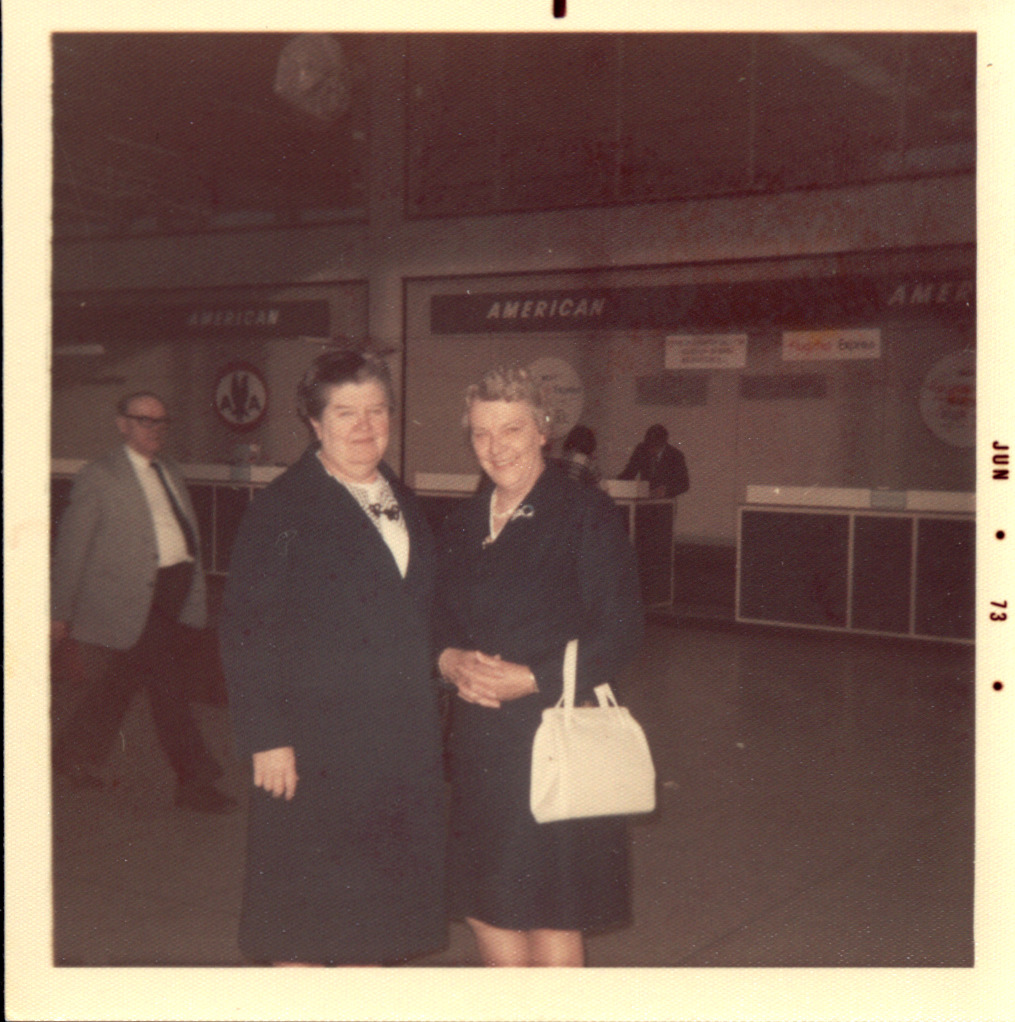
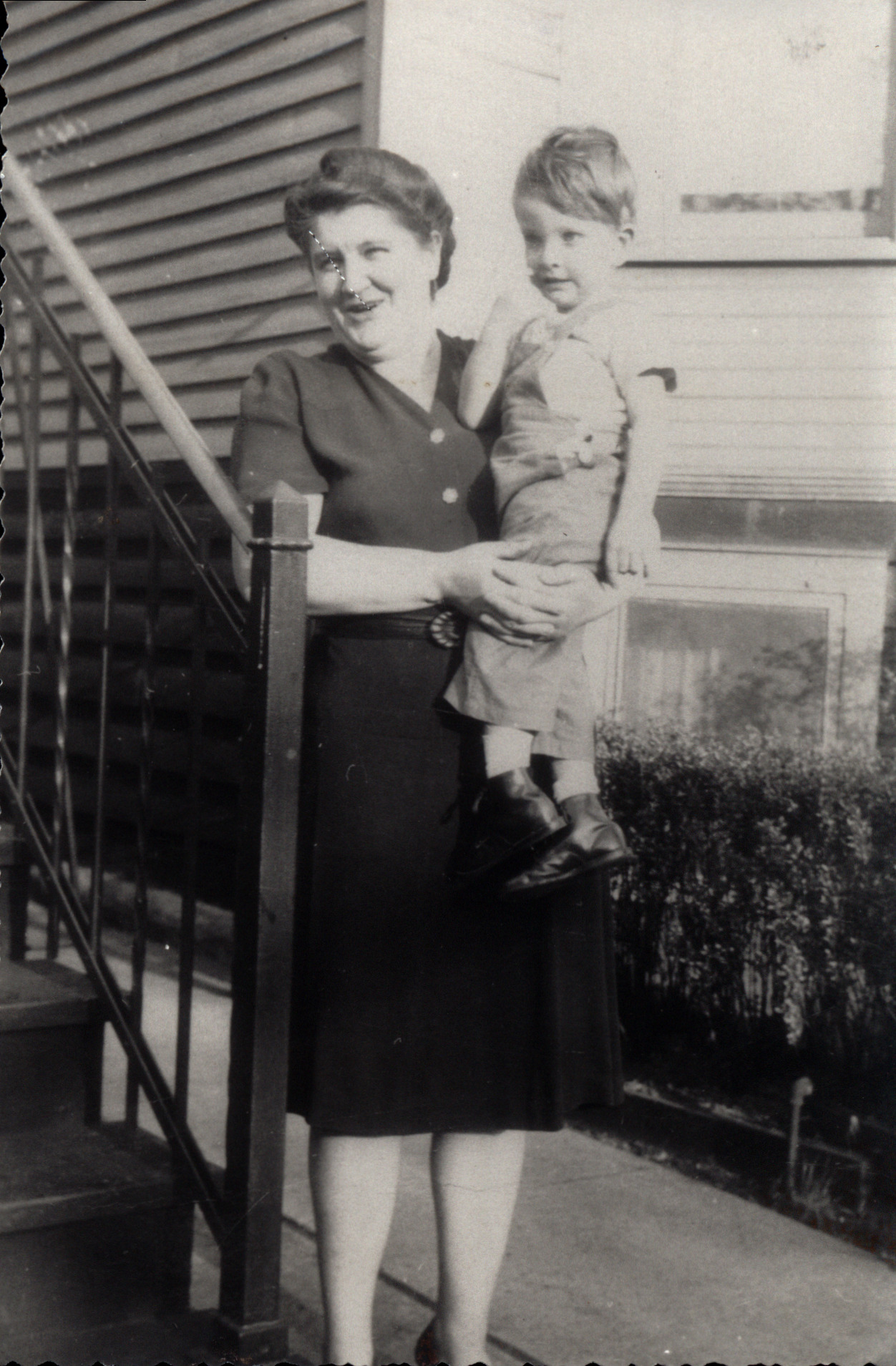
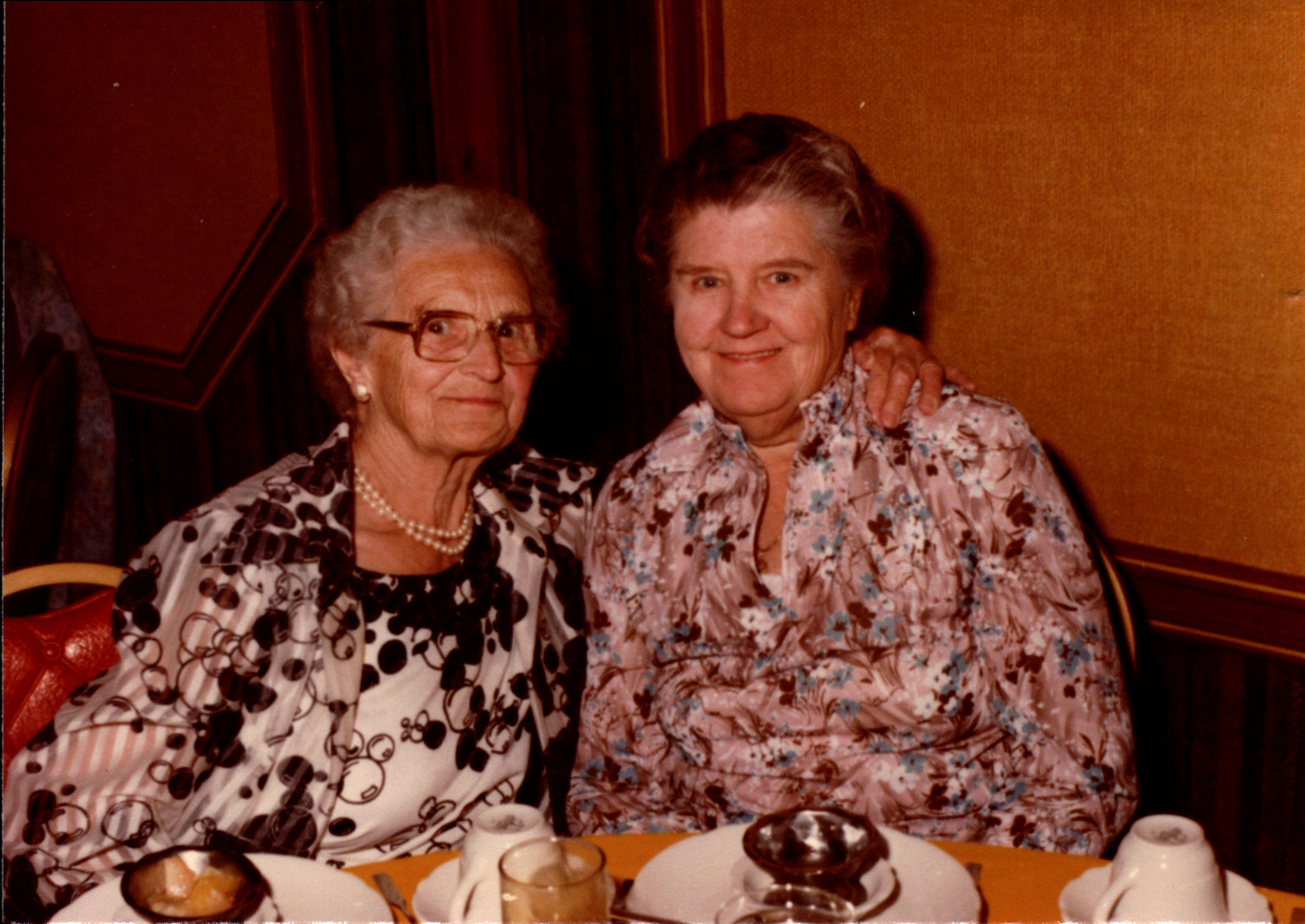
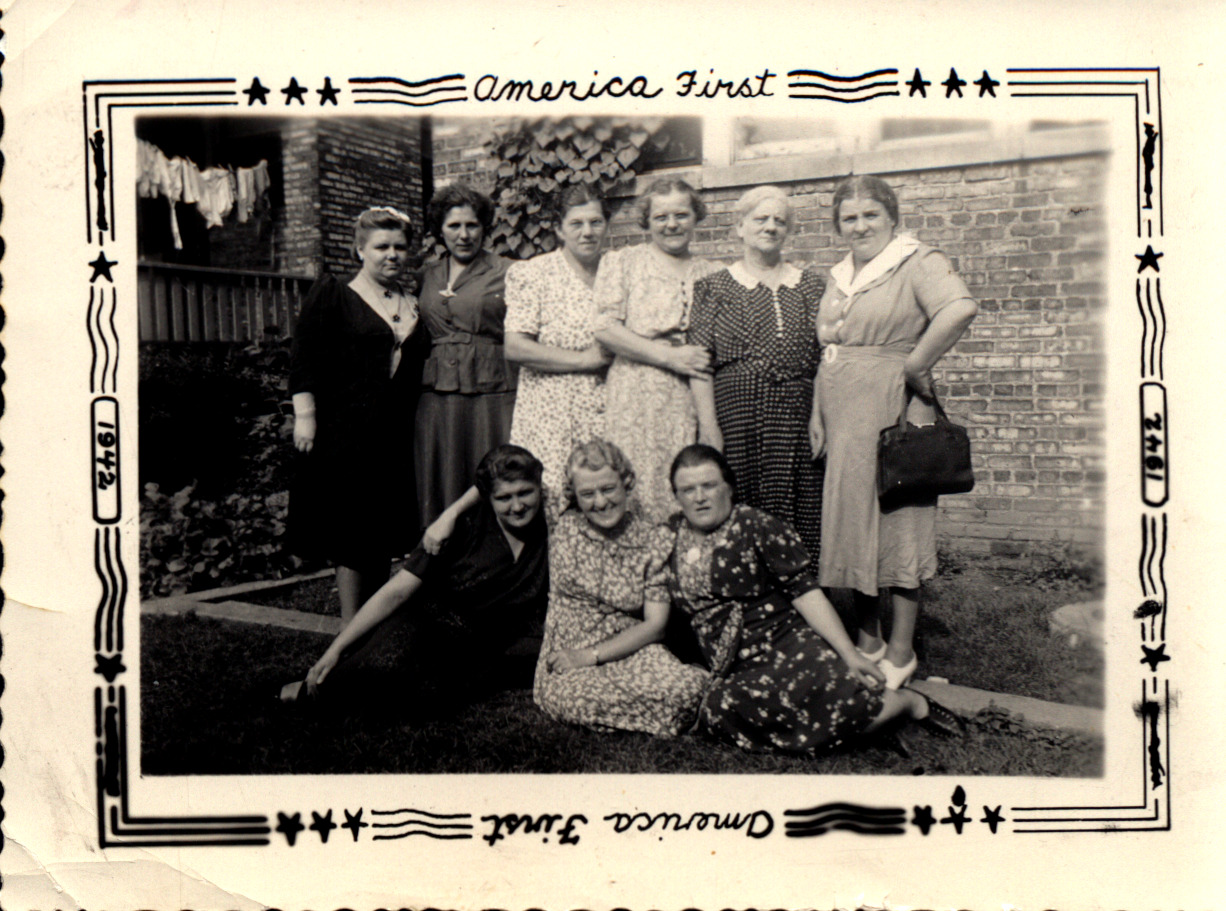
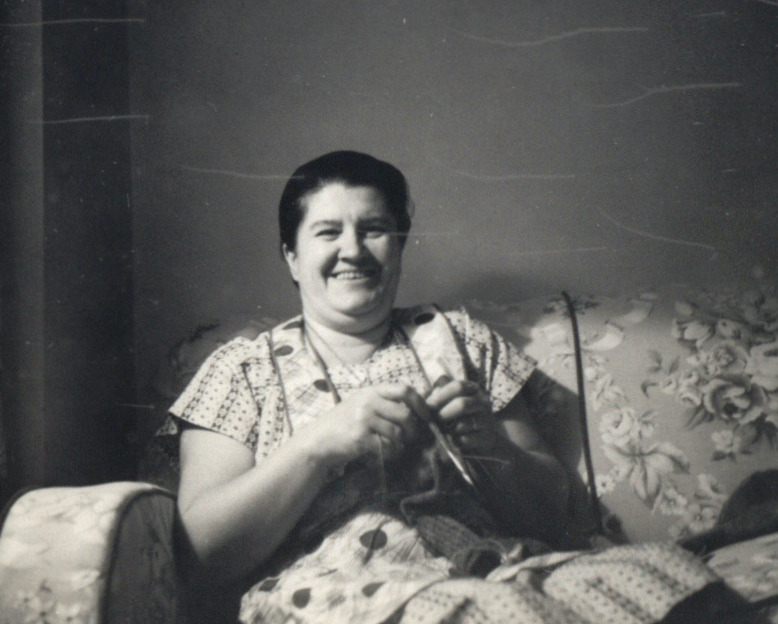
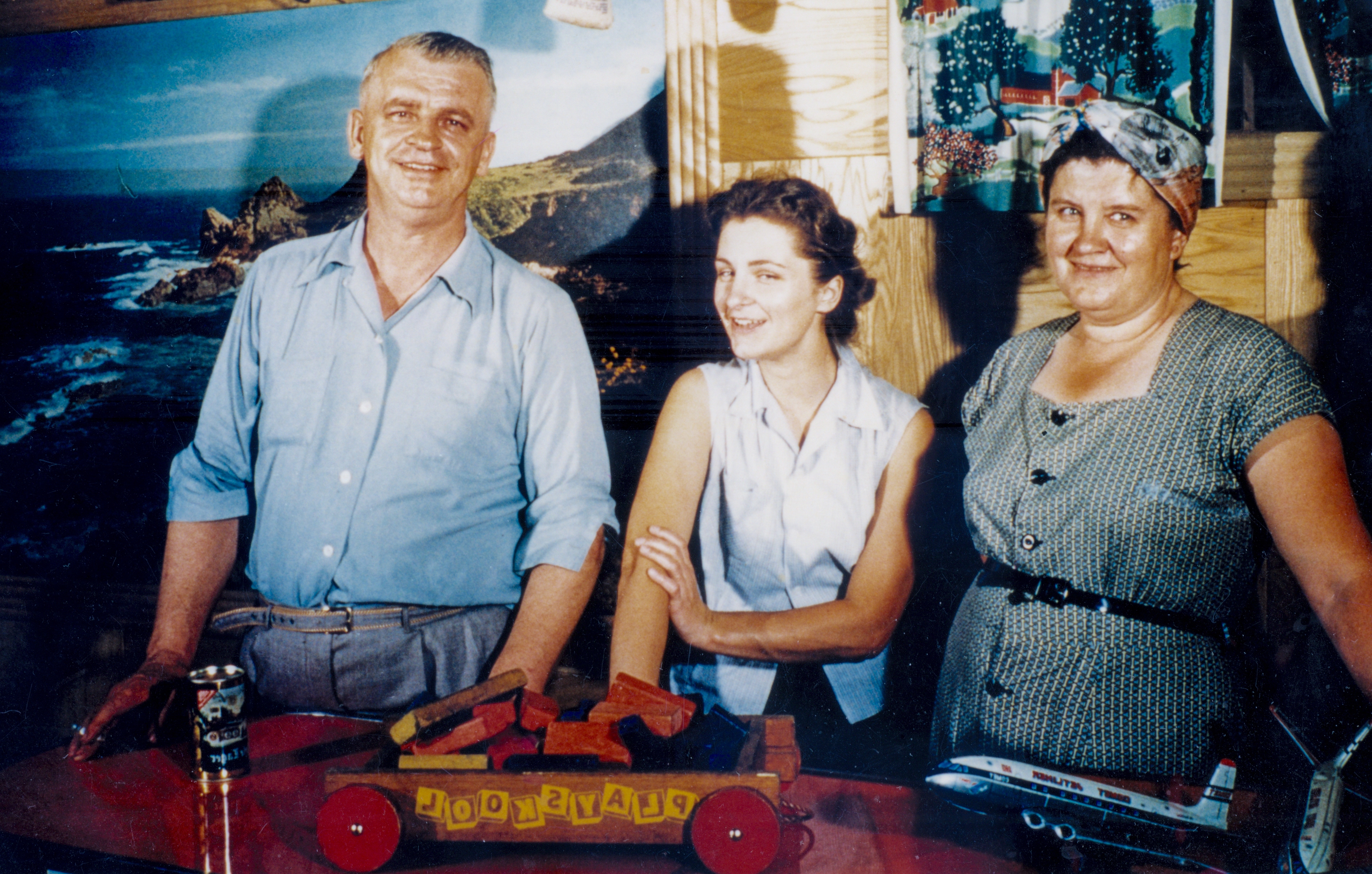
All photos in this post were saved by Mary Martinčić Scatena. Below in descending order right to left they are; Noni and Papa at their wedding anniversary celebration, Noni and her sister-in-law (our Teta) Jelica traveling together, Noni and her youngest son Jim, Noni and her friend Mrs. Ziganto, Noni (seated, far left) and her Birthday Club friends, Noni crocheting in her home in Chicago, Noni, Papa and Mary in their home in Evergreen Park.
 From the same tree