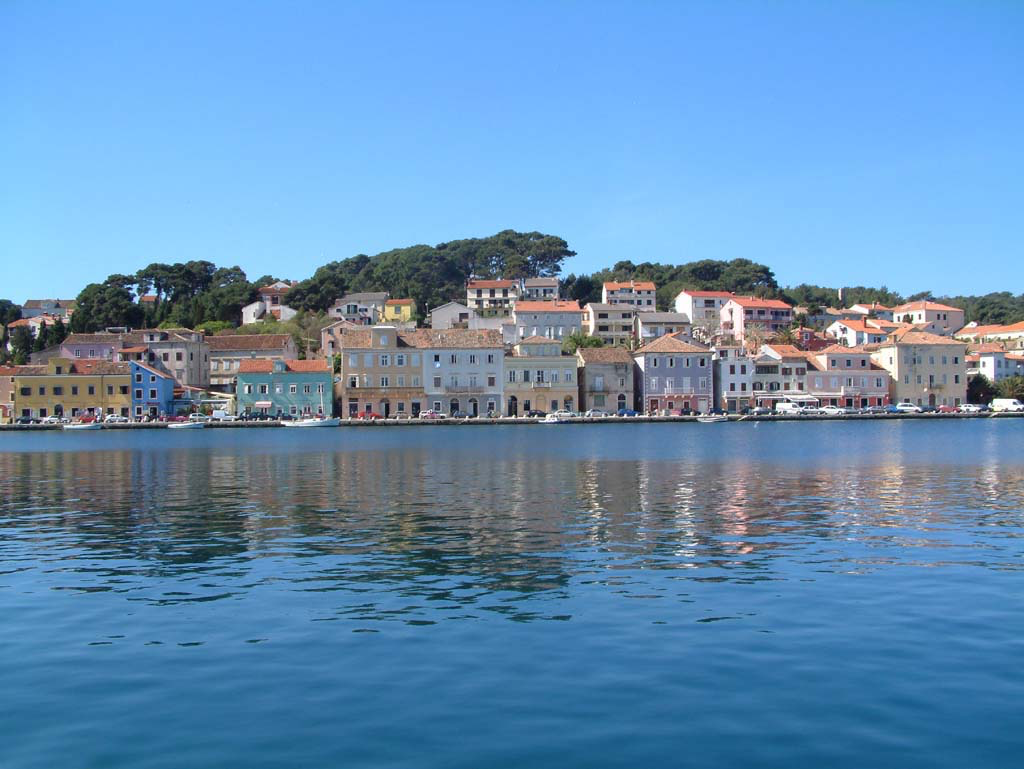
Lošinj, Lastovo, Lokrum. From their distinctive geographies and climates to their relaxed atmospheres islands are historically known as restorative places where nothing much changes except the seasons. Many years ago Lošinj was dubbed ‘Island of Vitality’ for the healing properties of its pine, sea and herbal scented air. Located 2 kilometers from the port town of Mali Lošinj, Čikat bay can be reached by ferry from Pula in a little over 2 hours. Čikat has green, no trace camping facilities. It is surround by an Aleppo pine forest planted in the late 19th and early 20th centuries as part of a reforestation project. The island is also home to diverse and fragrant mastic tree, common myrtle, strawberry tree, tangled honeysuckle, heath tree, prickly juniper, olive tree, deodar cedar, cypress, stone pine and other Mediterranean basin plant species. Together they function as the island’s the ‘green lung’s, Nature’s spa. At Lošinj’s The Garden of Fine Scents medicinal herbs cultivated there are used in products and experiences catering to tourists and locals.
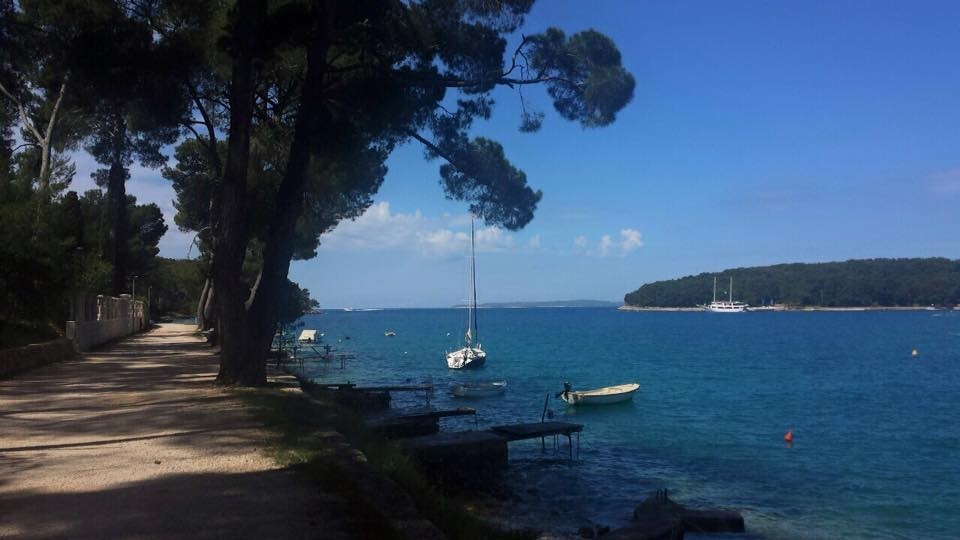
For hikers there is a 3 kilometer (10,000 step) forest footpath between Mali Lošinj and Veli Lošinj. Educational panels along the path encourage ‘proper posture, movement and breathing.’ For history buffs a 2,000 year old Greek statue The Croatian Apoxyomenos depicts a young athlete. This bronze was preserved in the Adriatic and is on display in a museum dedicated to the statue’s story. For the almost 10,000 residents of Lošinj increased access brings visitors with unexpected benefits and consequences.

Islands are places where the relationship between land and sea defines everyday life. Island’s isolating geography and endemic ecosystems are both weaknesses and strengths. Islander’s are known for their independence and self-sufficiency because if you don’t have what you need when the sea and weather are rough, well… practical survival skills are needed. On Lošinj collaborations between islanders and mainlanders have created solutions to environmental concerns. A conservation effort that is an exemplar of sustainability writ large is Lošinj’s Blue World Institute. This research and public education initiative opened it’s doors in 2003 with the support of the Croatian government. The Blue World Institute studies and cares for Adriatic sea turtles and bottlenose dolphins supported and helped by participants in it’s Eco-Volunteering Program. Eco tourism’s growing popularity is a hopeful sign that humans are learning new ways to live on and with our earth.
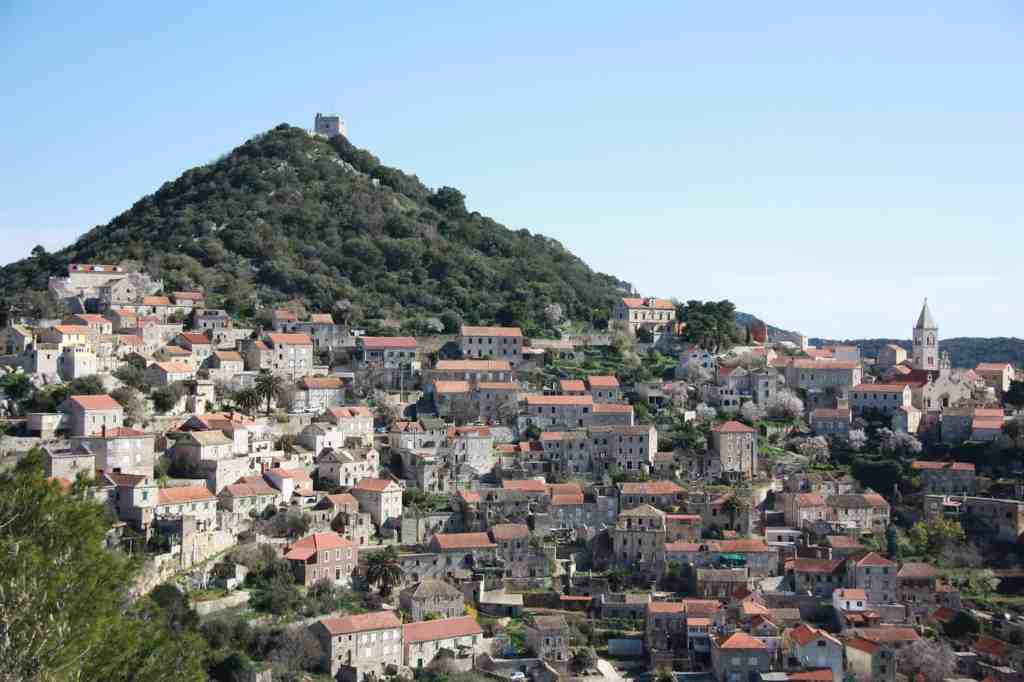
Because Lastovo (like Viš) was a Yugoslav military site it was not open to tourists until 1988. The island maintains unique visual signatures that include 15c and 16c fumari or chimneys which dot the skyline, and the claim that Lastovo has the starriest sky in Europe. Recently old public lights were replaced with 235 ecologically responsible ones that reduce light pollution, make the island a haven for astronomers, astrophotographers and stargazers and a candidate for an International Dark Sky Park designation.

Foto: Snježana Bukvić
At about 9 miles south of Korčula and 48 miles from Brač, Lastovo is one of the most remote Croatian islands. It can only be reached by catamaran or ferry. In myth and story islands are described as blank canvases where people come to rejuvenate, restart and sometimes rewrite their life story. Lastovo qualifies as one of those places. It is the largest and most forested island of the Lastovo Archipelago Nature Park with about 70% of the island covered in Holm oak and Aleppo pine forests. Designated by the Croatian government in 2006, the park’s mission is to preserve the biodiversity of the Mediterranean basin. If an island had a voice, Lastovo’s might be a bellringers for preservation of its natural beauty and environmental justice. Between 2001 and 2006 Lastovo’s 836 inhabitants petitioned and won protection from rampant nautical tourism. Small places can have big voices. Lastovo archipelago in Croatia declared Nature Park opposing uncontrolled development of nautical tourism by the effort of local inhabitants, the Sunce association, the WWF for Nature, and Ministry of Culture.

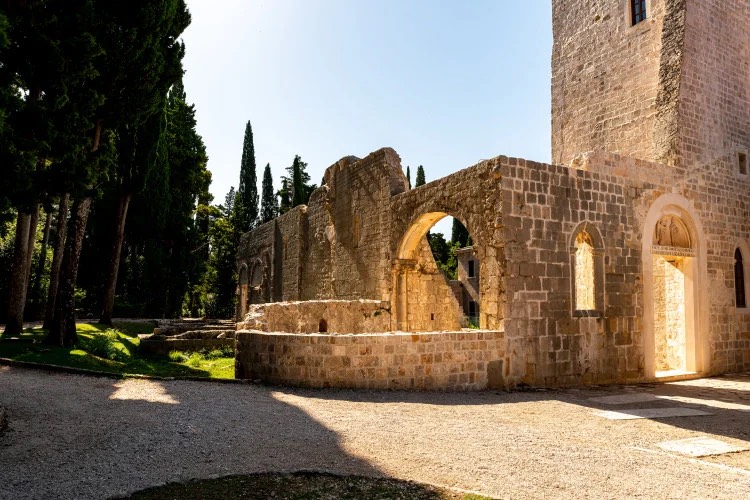
Located 600 meters (10 minutes by ferry) from Dubrovnik’s harbor, Lokrum is an uninhabited nature reserve with haunting cultural attractions surrounded by relatively unspoiled natural beauty. It’s ‘island-ness’ is preserved by a strict regulation–no one can stay overnight. Since overnight stays are the measure of tourist industry success, Lokrum is an anomaly. It has a sacred, magic place identity seen and felt in the ruins of the Benedictine monastery of St. Mary. Dating from the 9th c, the monastery was built in stages and had many residents including Hapsburg Archduke Maximilian Ferdinand I, who built a castle on the island and later Dubrovnik Dominicans. It is the source of a legendary curse placed on subsequent owners by Benedictine monks who were evicted by Pope Pius VI in 1800 after the monastery and whole island were sold.
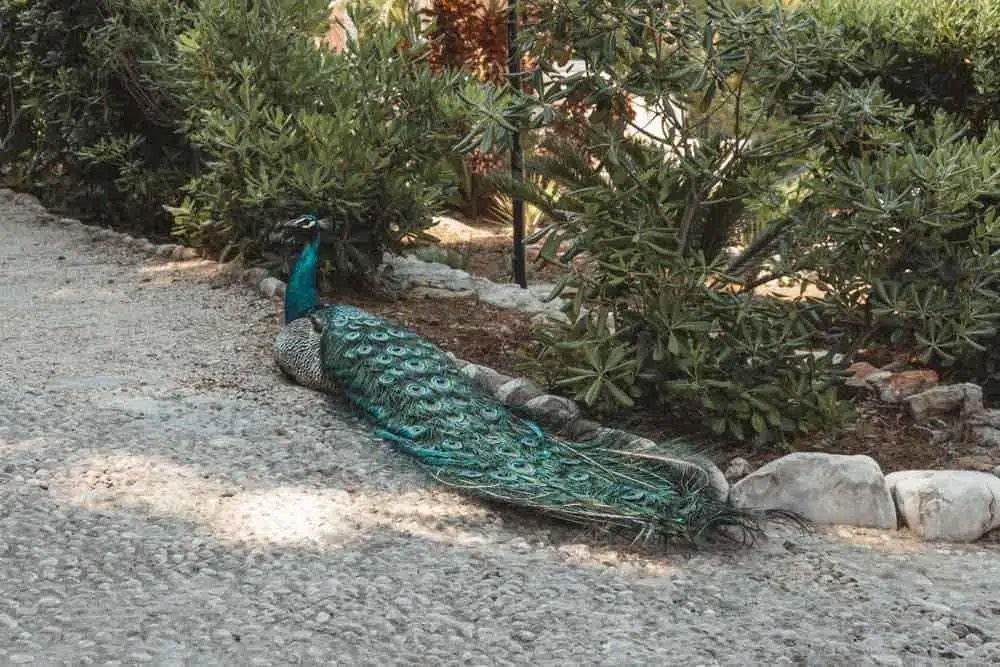
Lokrum’s Botanical Gardens are home to peacocks imported by Hapsburg Archduke Maximillian I. The cultural phenomenon Game of Thrones was filmed in the gardens, at the former Benedictine Monastery and continues to attract crowds of tourists on GOT tours who can view GOT’s Iron Throne on display at the Botanical Gardens.

Lokrum’s lazaretto, like Dubrovnik’s, was designed to quarantine sailors, merchants travelers and their animals to prevent the spread of black plague approximately from 1300-1600. However Lokrum’s lazaretto was never finished. Some of the lazaretto’s stone construction was repurposed to fortify Dubrovnik’s walls and structures on the island. Today paths lined by majestic evergreen oaks skirt monastery ruins.
The vulnerabilities of Croatia’s islands are made more pronounced by the scale of their landscapes, climate change and mass tourism. In the 10 May 2023 Tourism Review an article ‘Croatian Tourism Faces New Challenges in the New Summer Season’ Theodore Slate writes, ‘In Croatia seasonal tourism is hugely distorting. On Croatian islands this distortion can be debilitating as visitors flood the vulnerable island ecosystems.’ Slate goes on to quote Hrvoje Radovanovic, the head of the nature protection program of Green Action/Zelena Akcija, ‘The post-pandemic tourism resurgence will undoubtedly have a negative impact on the environment and wildlife in the form of increased demand.’ How is the presence of, and damage caused by ‘people from away’ best managed? Regenerative travel is a healing solution any tourist can adopt. New Zealand’s Tiaki Promise is a code of ethical behavior based on stewardship and responsibility to all life on earth. This type of commitment and lifestyle is appreciated but typically not embraced by visitors and tourism in general.

This year the City of Dubrovnik and the Dubrovnik Tourist Board sponsored an animated short film titled Respect the City. Created by Stjepan Mila, this film informs tourists about restrictions in Dubrovnik’s old town by illustrating how respectful behaviors help to preserve the city’s fragile cultural heritage sites. It will be shown on Croatia Air flights and is also slated to be screened on cruise ships this season.
 From the same tree